





Logo

Iraq - Grupo I

Iraq arrives the hard way and with a pulse

🇮🇶 Iraq arrives the hard way and with a pulse

A team that knew how to push, suffer, adjust and survive now steps onto the World Cup stage with scars, order and a taste for close games.

Introducción

Iraq did not glide into the World Cup. It climbed there with muddy boots, through rounds that changed tone, pressure and landscape. One phase was a clean sprint, almost a straight road. The next became a contest of narrow margins, late goals and evenings in which every touch seemed to weigh a little more. By the time the ticket was finally sealed, this was no longer just a team with results. It was a team with mileage.

That is the first strong image this campaign leaves behind: Iraq learned to win in different climates. It overwhelmed some opponents, locked down others, and when the route stopped being comfortable, it kept moving. There is something revealing in that sequence. A side that cruises early can still collapse when matches become tight and tense. Iraq did not disappear. It bent, took damage, and still found a way through.

The numbers help ground the story. In the second round, Iraq finished first in Group F with 18 points from 18, six wins in six matches, 17 goals scored and only 2 conceded. It was a forceful, clean phase, almost flawless from start to finish. In the third round, the picture changed: third in Group B with 15 points from 10 matches, 9 goals for and 9 against. The dominance gave way to friction. The team remained competitive, but every edge became thinner.

There were turning points that explain the whole trip better than any slogan could. On November 21, 2023, Iraq beat Vietnam 1-0 away with a goal by Mohanad Ali at 90+7, the kind of win that strengthens a group’s belief. On October 15, 2024, the 3-2 loss away to South Korea showed that Iraq could trade punches with the top seed in the section, but also that concentration late in games could become expensive. On March 25, 2025, the 2-1 defeat to Palestine, after conceding in the 88th and 90+7th minutes, hurt far beyond the single result: it pushed the campaign into a more delicate zone. And on November 18, 2025, the 2-1 home win over the United Arab Emirates closed the argument with the one thing this route demanded most: nerve.

El camino por Eliminatorias

Iraq’s qualifying path inside Asia had several layers, and that matters when judging the final picture. The campaign opened with a second round group stage, where the team had to finish near the top to keep advancing. It then moved into a tougher third round, where the level rose sharply and the margins shrank. After that came a fourth round group and, finally, an intercontinental playoff sequence reflected in the match list and playoff data. In other words, Iraq did not get to the World Cup through one long uninterrupted run of comfort; it advanced by solving a chain of very different exams.

The first exam was passed with authority. In the second round, Iraq topped Group F with 18 points out of 18, winning all six matches. It scored 17 and conceded only 2, a goal difference of +15 that dwarfed the rest of the section. Indonesia finished second with 10 points, already eight behind Iraq. Vietnam ended on 6, and the Philippines on 1. That table describes more than superiority; it describes control. Iraq was not merely better than the others. It imposed order on the group.

The scorelines from that stretch reinforce the point. The campaign began with a 5-1 home win over Indonesia on November 16, 2023, then continued with an away 1-0 over Vietnam, a home 1-0 against the Philippines, a 5-0 away demolition of the Philippines, a 2-0 away win in Indonesia, and a 3-1 home victory against Vietnam. Six matches, six wins, and a clear pattern: Iraq could attack in waves, but it also knew how to reduce games to a single decisive moment when necessary.

Then the level changed. In the third round, Iraq played in Group B and finished third with 15 points from 10 matches. South Korea led the table with 22, Jordan followed with 16, and Iraq ended just one point behind the direct qualification line represented by second place. Below Iraq, Oman had 11, Palestine 10 and Kuwait 5. The placement is revealing. Iraq was not distant from the top pair, but neither was it able to build a cushion over the chasing pack until the very end. The campaign became a balancing act between resilience and missed chances.

The record there was 4 wins, 3 draws and 3 defeats, with 9 goals scored and 9 conceded. That even goal difference tells the story of a side that rarely broke open the group. It won four matches by a one-goal margin, drew three, and suffered three losses, two of them by a single goal. Iraq remained in almost every contest, but it did not always create enough separation. The team’s competitive floor was solid; its ceiling came and went.

Home and away splits deepen the reading. In the third round, Iraq beat Oman 1-0 at home, Palestine 1-0 at home, and then Oman 1-0 away, plus Jordan 1-0 away on the final matchday. But it also drew 0-0 with Kuwait away, 0-0 with Jordan at home, and 2-2 with Kuwait at home after a dramatic late rescue. The defeats were 3-2 away to South Korea, 2-1 away to Palestine, and 0-2 at home to South Korea. That sequence suggests a team comfortable in low-scoring games but vulnerable when forced to chase rhythm against higher-end opposition or when match control slipped late.

The fourth round offered another shift in terrain. Iraq played two matches in Group B of that phase, beating Indonesia 1-0 and drawing 0-0 away to Saudi Arabia. Four points from two matches, one goal scored, none conceded. Saudi Arabia also finished on four points but ranked first on goal difference, with Iraq second. That phase once again underlined the same identity thread: compact, difficult to break, and operating with narrow scorelines rather than explosive separation.

Tabla de partidos de Iraq

Date Round or Matchday Opponent Venue status Result Goalscorers Venue
16 de noviembre de 2023 Second round Indonesia Home Iraq 5-1 Indonesia Rasan 20', Amat 35' own goal, Rashid 60', Amyn 81', Al-Hamadi 88' Estadio Internacional, Basora
21 de noviembre de 2023 Second round Vietnam Away Vietnam 0-1 Iraq M. Ali 90+7' Estadio Nacional Mỹ Đình, Hanói
21 de marzo de 2024 Second round Philippines Home Iraq 1-0 Philippines M. Ali 84' Estadio Internacional, Basora
26 de marzo de 2024 Second round Philippines Away Philippines 0-5 Iraq Hussein 14' pen., 36', Al-Ammari 30', Iqbal 62', Tahseen 77' Estadio Conmemorativo Rizal, Manila
6 de junio de 2024 Second round Indonesia Away Indonesia 0-2 Iraq Hussein 54' pen., Jasim 88' Estadio Gelora Bung Karno, Yakarta
11 de junio de 2024 Second round Vietnam Home Iraq 3-1 Vietnam H. Ali 12', Jasim 71', Hussein 90+2' Estadio Internacional, Basora
5 de septiembre de 2024 Matchday 1 Oman Home Iraq 1-0 Oman Hussein 13' Estadio Internacional, Basora
10 de septiembre de 2024 Matchday 2 Kuwait Away Kuwait 0-0 Iraq No goals Estadio Internacional Jaber Al-Ahmad, Kuwait
10 de octubre de 2024 Matchday 3 Palestine Home Iraq 1-0 Palestine Hussein 31' Estadio Internacional, Basora
15 de octubre de 2024 Matchday 4 South Korea Away South Korea 3-2 Iraq Hussein 50', Bayesh 90+5' Estadio Yongin Mireu, Yongin
14 de noviembre de 2024 Matchday 5 Jordan Home Iraq 0-0 Jordan No goals Estadio Internacional, Basora
19 de noviembre de 2024 Matchday 6 Oman Away Oman 0-1 Iraq Amyn 36' Complejo Deportivo del Sultán Qaboos, Mascate
20 de marzo de 2025 Matchday 7 Kuwait Home Iraq 2-2 Kuwait Hashim 90+3', Bayesh 90+11' Estadio Internacional, Basora
25 de marzo de 2025 Matchday 8 Palestine Away Palestine 2-1 Iraq Hussein 34' Estadio Internacional, Amán
5 de junio de 2025 Matchday 9 South Korea Home Iraq 0-2 South Korea Estadio Internacional, Basora
10 de junio de 2025 Matchday 10 Jordan Away Jordan 0-1 Iraq Jassim 77' Estadio Internacional, Amán
11 de octubre de 2025 Fourth round Indonesia Home Iraq 1-0 Indonesia Zidane Iqbal
14 de octubre de 2025 Fourth round Saudi Arabia Away Saudi Arabia 0-0 Iraq No goals
13 de noviembre de 2025 Fifth round United Arab Emirates Away United Arab Emirates 1-1 Iraq Al-Zubaidi
18 de noviembre de 2025 Fifth round United Arab Emirates Home Iraq 2-1 United Arab Emirates Mohanad Ali, Amir Al-Ammari

Tabla 1

Pos Team Pts MP W D L GF GA GD
1 Iraq 18 6 6 0 0 17 2 +15
2 Indonesia 10 6 3 1 2 8 8 0
3 Vietnam 6 6 2 0 4 6 10 -4
4 Philippines 1 6 0 1 5 3 14 -11

Tabla 2

Pos Team Pts MP W D L GF GA GD
1 South Korea 22 10 6 4 0 20 7 +13
2 Jordan 16 10 4 4 2 16 8 +8
3 Iraq 15 10 4 3 3 9 9 0
4 Oman 11 10 3 2 5 9 14 -5
5 Palestine 10 10 2 4 4 10 13 -3
6 Kuwait 5 10 0 5 5 7 20 -13

Tabla 3

Pos Team Pts MP W D L GF GA GD
1 Saudi Arabia 4 2 1 1 0 3 2 +1
2 Iraq 4 2 1 1 0 1 0 +1
3 Indonesia 0 2 0 0 2 2 4 -2

That still was not the end. Because Iraq did not secure the place directly from the earlier stages, the route extended into the playoff lane. The emotional transition is important here: after dominating the second round, then falling just short in the third, then staying alive through the fourth and fifth layers of competition, Iraq entered the repechage with very little room for error. By then, every match had the atmosphere of a final, and the team had already shown both sides of itself: a side capable of winning six straight and a side susceptible to turning key moments into distress.

The playoff route in the data begins with the semifinal of Repechage 2 on March 26, 2026, when Bolivia beat Suriname 2-1 in Monterrey. That result set up the decisive final on March 31, 2026, also in Monterrey, with Iraq facing Bolivia. Iraq won 2-1. One match to define everything, one goal more than the opponent, and the place was secured. It fit the script of this entire campaign: not a broad-shouldered march through open spaces, but a narrower road that demanded calm under pressure.

Partidos de repechaje

Bracket Phase Date City Stadium Team 1 Result Team 2
Repechaje 2 Semifinal 26 de marzo de 2026 Monterrey Estadio Monterrey Bolivia 2-1 Surinam
Repechaje 2 Final 31 de marzo de 2026 Monterrey Estadio Monterrey Irak 2-1 Bolivia

There is a broader numerical thread across the whole qualifying path. Iraq played 20 matches listed here and won 13, drew 4 and lost 3. It scored 29 goals and conceded 14. But those totals need segmentation. In the early rounds, the team had room to run and averaged close to three goals per game across the second round. In the later rounds, the attack tightened and Iraq leaned into low-event matches. Of the last 14 matches listed, 10 were decided by one goal or finished level. That is not random noise; it is identity under pressure.

Cómo juega

The results suggest a team that prefers structure over chaos. Iraq’s clearest habit is to keep matches within reach and then decide them through timely finishing, concentration and persistence rather than through long spells of overwhelming possession or scoreline avalanches. In the second round, it could attack more freely, but once the opposition level rose, Iraq became a side of compressed margins: 1-0 wins over Oman, Palestine, Oman again, Jordan, and Indonesia in the fourth round; a 0-0 away draw with Saudi Arabia; and a 2-1 playoff final against Bolivia.

That rhythm says a lot. Iraq does not need a wide-open match to feel alive. In fact, the evidence points the other way. Its best work often comes when the contest is compact. In the third round, Iraq scored only 9 goals in 10 matches, but it still collected 15 points and stayed close to the top two until the final day. That usually belongs to teams that accept reduced attacking volume in exchange for game control, defensive shape and belief that one moment can be enough. The one-goal victories are too frequent to be accidental.

There is also a noticeable late-goal streak in the campaign. Mohanad Ali scored at 90+7 against Vietnam in November 2023. Mohanad Ali again struck late, at 84 minutes, against the Philippines in March 2024. Jasim scored at 88 against Indonesia in June 2024. Hussein made it 3-1 at 90+2 against Vietnam. Hashim equalized at 90+3 against Kuwait in March 2025, and Bayesh then added another at 90+11 for the 2-2 draw. These are not just dramatic details. They suggest a team that keeps emotional order late in matches and continues to push rather than flattening out.

The scoring spread is healthy enough to avoid pure dependence on one finisher, though Aymen Hussein clearly appears as a major reference point. He scored against the Philippines twice in Manila, against Indonesia from the spot, against Oman, against Palestine, against South Korea, and against Palestine again in the away loss. But Iraq also received goals from Rasan, Rashid, Amyn, Al-Hamadi, Mohanad Ali, Jasim, Bayesh, Hashim, Zidane Iqbal, Al-Zubaidi and Amir Al-Ammari. That matters because a team built around narrow games benefits greatly from secondary scorers. When most wins are by one goal, a goal from midfield or from a second attacking line can change an entire qualifying story.

The vulnerability is equally clear. Iraq can suffer when the match escapes its preferred speed. The 3-2 loss to South Korea showed it can compete but also get stretched. The 2-1 defeat to Palestine was even more painful because Iraq led and then conceded twice at the end, in the 88th and 90+7th minutes. The 0-2 home loss to South Korea also exposed a limit: when the opponent can sustain pressure without losing balance, Iraq may struggle to create enough to reverse the flow. This is not a fragile team, but it is one whose margin for error remains narrow.

Another clue comes from the defensive figures by phase. In the second round, Iraq conceded just 2 in 6 matches. In the third round, it conceded 9 in 10. In the fourth round, it allowed none in 2 matches. Across those segments, Iraq looks strongest when the game stays organized and the defensive line is not repeatedly forced into emergency situations. When matches become transition-heavy or emotionally unstable, the clean sheet becomes harder to protect.

So what does Iraq seek? Based on results alone, it seeks control of the scoreboard before control of spectacle. It is comfortable in 1-0 territory, unafraid of grinding, and able to survive when a match turns into a sequence of duels rather than a polished flow. It can punish weaker opponents heavily, as Indonesia and the Philippines learned in the second round, but its more reliable international identity is built on compactness, patience and the belief that a match can be won in one or two moments.

El Grupo en el Mundial

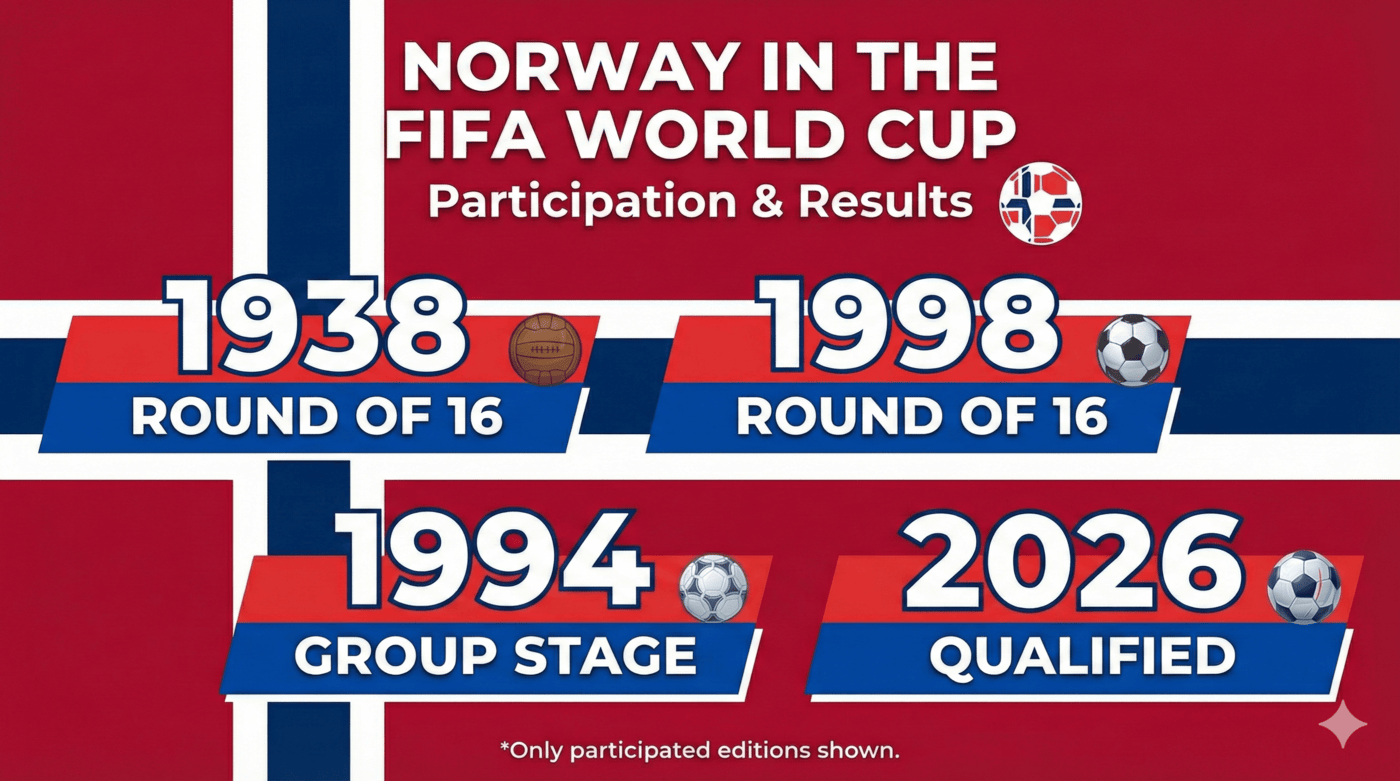
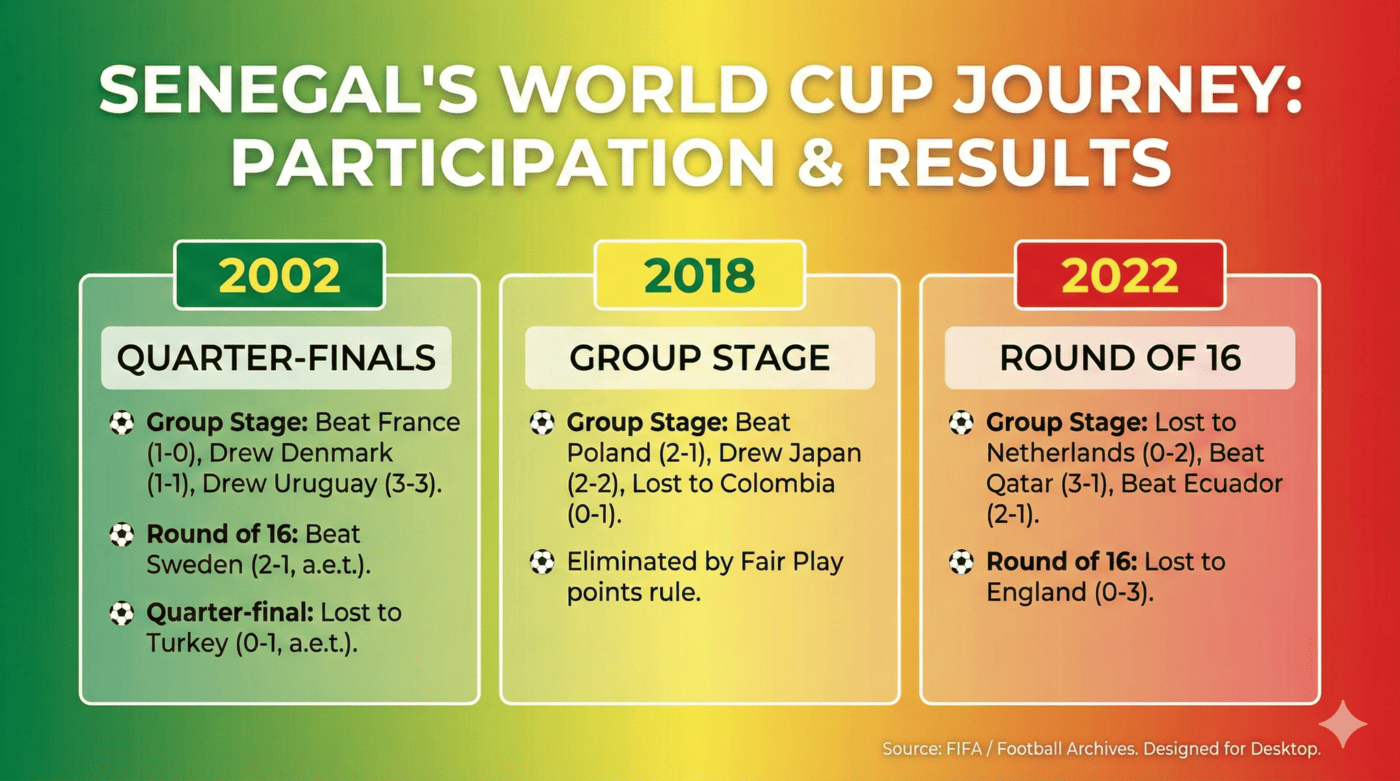
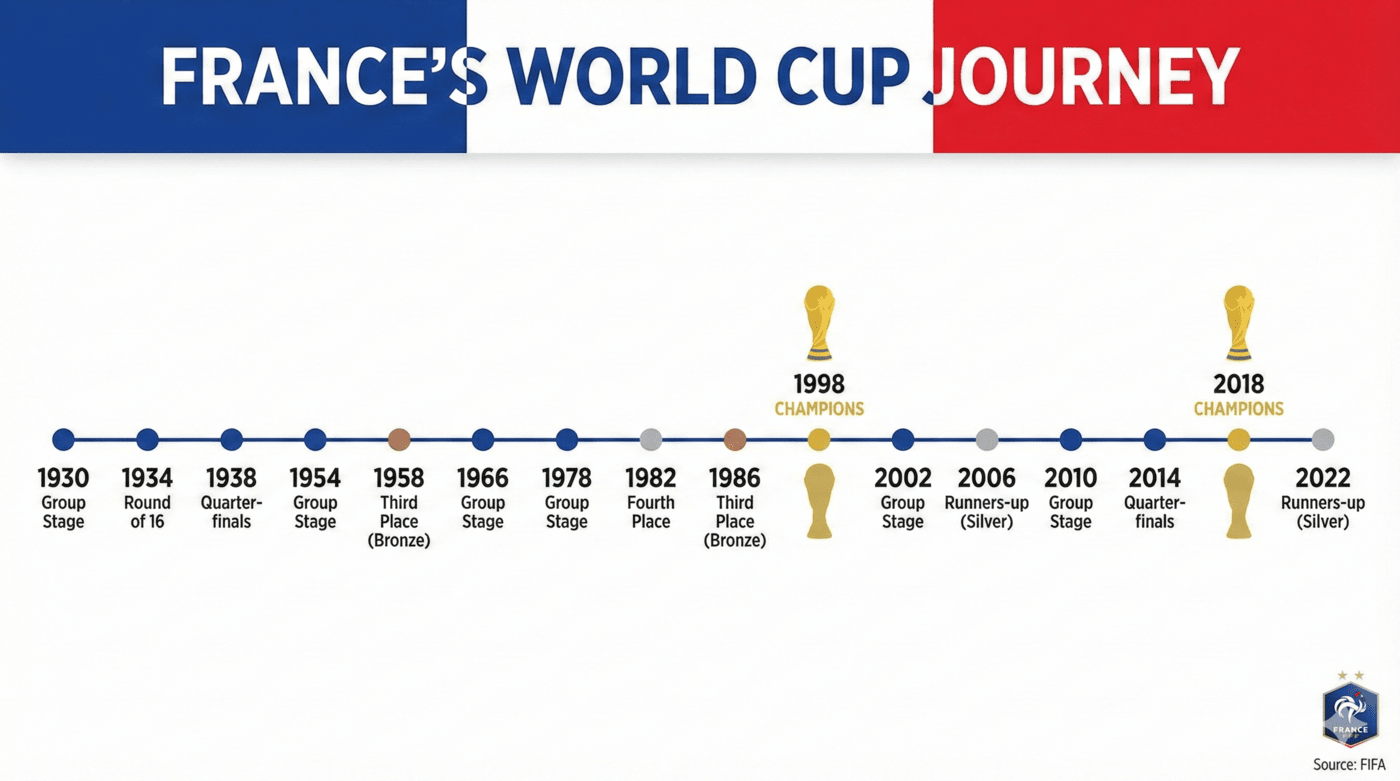
Iraq has landed in Group I and its three opponents are already defined in the schedule provided: Norway, France and Senegal. There are no placeholder codes in these fixtures, so the group picture is unusually clear from the start. That clarity is useful because Iraq’s route into the tournament was long and physically demanding; knowing the exact order of opponents gives shape to the challenge ahead.

The sequence matters. Iraq opens against Norway on June 16, 2026, then meets France on June 22, and closes against Senegal on June 26. For a team that has lived so many narrow matches, the order invites a practical reading. The first game becomes the platform, the second the highest bar, and the third potentially the hinge on which everything swings. In group football, rhythm often matters as much as hierarchy, and Iraq’s campaign profile suggests it is especially sensitive to momentum.

Tabla de partidos del grupo

Date Stadium City Opponent
16 de junio de 2026 Gillette Stadium Boston Norway
22 de junio de 2026 Lincoln Financial Field Filadelfia France
26 de junio de 2026 BMO Field Toronto Senegal

The opening match against Norway feels like the most immediate chance to establish the tone Iraq wants. It is the kind of game in which Iraq cannot afford to gift the first stretch or spend too long merely adjusting. This team is most convincing when the scoreboard remains compact and the emotional temperature stays manageable. If Iraq can turn the opener into a controlled, low-margin contest, it gives itself room to operate in its preferred register. Plain-language prediction: draw.

The second match against France is the hardest on paper simply because it asks Iraq to be nearly perfect in the details. Iraq has shown it can survive pressure and stay alive deep into games, but the losses to South Korea are a warning here: when the opponent sustains quality and forces repeated defensive decisions, Iraq’s narrow-game model can come under strain. The objective in a match like this is not romantic. It is to stay connected to the result for as long as possible and make every phase expensive. Plain-language prediction: France win.

The final group match against Senegal may become the true crossroads. By then, points, goal difference and emotional residue from the first two games will all matter. For Iraq, this has the shape of a match where discipline and timing could keep qualification hopes breathing. It is not a game to dramatize from the outside; it is a game to read through Iraq’s own habits. If the match remains in one-goal territory, Iraq will believe it can take it late. Plain-language prediction: Senegal win, but by a narrow margin.

That may sound stern, but there is room for disruption inside this group. Iraq’s best argument is not volume; it is resistance. Teams that live well in 1-0 and 1-1 territory can distort a group because they are hard to put away cleanly. Iraq does not need three open games. It needs one solid start, one survival exercise, and one final-day contest still within reach. That formula is demanding, but it aligns with the way this side has qualified.

There is also a psychological angle worth noting. Iraq has already navigated a campaign in which almost every later phase carried elimination weight. The pressure of must-not-slip football is not foreign to this squad profile. That does not erase the quality gap against elite opponents, but it does mean Iraq should not be expected to freeze simply because the stage is larger. This team has already spent a long time living near the edge.

Keys to qualifying from the group

  • Iraq must avoid opening the tournament with a defeat that gets away on the scoreboard. Keeping the Norway match tight is essential.
  • The team’s strongest route is through low-scoring games. If matches become stretched, the margin narrows further.
  • Late concentration will be decisive. This campaign featured both late winners and painful late concessions.
  • Secondary scorers matter. Iraq cannot rely on one name alone if the group becomes a battle of single-goal swings.
  • Goal difference could become crucial, so even in likely difficult matches, staying close carries value.

Opinión editorial

Iraq reaches this World Cup with something more interesting than a romantic label. It arrives with evidence. The evidence says it can dominate the opposition below it, endure long stretches of tension, and keep faith in matches that remain unresolved deep into stoppage time. That is not a minor profile. In tournament football, teams that understand how to stay alive have already learned half the trade.

But there is a warning written plainly across the road to 2026: Iraq cannot keep treating late-game disorder as a recurring tax. The comeback draw against Kuwait showed character, yes, yet the loss to Palestine on March 25, 2025 showed the darker side of the same habit. Against stronger World Cup opposition, a match that slips in the final minutes may not come back. Iraq has earned the right to be in this group. To do more than participate, it must turn its narrow-game talent into sharper late-game control.