Logo

Sweden - Grupo F

Sweden arrives through the side door and still knocks loudly on the World Cup stage

🇸🇪 Sweden arrives through the side door and still knocks loudly on the World Cup stage

A rough qualifying group, a rescue mission through the play-offs, and a team that learned to survive before dreaming again.

Introducción

There are qualifying campaigns that feel like a straight road, and there are others that look more like a wet night match: heavy legs, awkward bounces, and the sense that every touch must be earned. Sweden’s route belonged to the second category. The group phase never gave them rhythm, never gave them comfort, and barely offered them a clean stretch of football. But when the regular road closed, they found another entrance and took it with both hands.

This is why Sweden’s ticket to the World Cup says more than a cold summary of points and positions ever could. The standings were poor, the margins were harsh, and the group table left a scar. Yet the story did not end there. It turned in March, in knockout football, where the team suddenly looked sharper, braver, and far more decisive in front of goal.

The hard facts from the qualifying group are blunt. Sweden finished fourth in Group B with 2 points from 6 matches, without a single win. They scored 4 goals, conceded 12, and closed with a goal difference of minus 8. In a group won by Switzerland with authority, and with Kosovo taking the play-off berth from the table itself, Sweden were left to rely on the Nations League route. It was not a campaign of control; it was a campaign of damage, chase, and late reactions.

And yet there were turning points worth isolating. On 5 September 2025, Sweden rescued a 2-2 draw away to Slovenia, scoring through Anthony Elanga and Yasin Ayari in a match that at least hinted at attacking life. Three days later, on 8 September 2025, the 0-2 defeat away to Kosovo hit much harder: the team created little and fell behind the pace of the group. Then came the home loss to Switzerland on 10 October 2025, 0-2 in Solna, a match that deepened the sense that Sweden were chasing the table instead of shaping it. The final qualifying match, 18 November 2025, brought a 1-1 draw at home to Slovenia with a late equalizer by Lundgren, useful only as a small emotional patch on a damaged phase.

What changed the tone of the whole campaign was not autumn, but spring. On 26 March 2026, Sweden beat Ukraine 3-1 in Valencia in the play-off semifinal. Five days later, on 31 March 2026, they defeated Poland 3-2 in Warsaw in the final. Two knockout matches, six goals scored, and a place in the World Cup rescued from a season that had seemed to be slipping away. That contrast tells the real story: a weak league phase, followed by a far more convincing response when there was no space left for hesitation.

El camino por Eliminatorias

UEFA qualification for the 2026 World Cup combined direct berths from the group stage with additional access routes to the play-offs. In Sweden’s case, the group itself did not provide enough. The team fell to the bottom of Group B, while Switzerland secured direct qualification and Kosovo took the group’s play-off place. Sweden’s survival line came from the Nations League pathway, which kept the campaign alive and later proved decisive.

The raw reading of Group B is severe. Sweden ended fourth out of four teams with 2 points in 6 matches, built on 0 wins, 2 draws and 4 defeats. Their 4 goals scored were the lowest attacking return in the group except for Slovenia’s 3, but the defensive side was even more worrying: 12 goals conceded, second only to none because Sweden were the most vulnerable team in the section. Switzerland finished top with 14 points and a goal difference of +12. Kosovo, with 11 points and a +1 difference, stayed competitive and practical. Slovenia drew four times and also struggled, but Sweden still finished behind them due to a worse balance at both ends.

The distance to the top was not just about points; it was about match control. Switzerland scored 14 and conceded only 2. Sweden scored 4 and conceded 12. That 10-goal swing in attack and defense explains much of the table. Kosovo, meanwhile, did not need to dazzle: 6 goals for and 5 against were enough to secure second place because they were more stable and better in close matches. Sweden, by contrast, could neither shut matches down nor turn level games into wins.

There is another layer in the numbers. Sweden drew two matches, both against Slovenia, and lost both matches against Kosovo and both against Switzerland. That means they took points only from the team immediately above them. Against the two sides that dictated the group’s competitive threshold, they came away with four defeats from four matches, scoring just 1 goal in those games and conceding 9. That kind of split usually leaves no room for recovery.

Still, the group phase was not uniformly flat. The opening draw away to Slovenia had moments of useful aggression, with Sweden scoring twice on the road. Ayari’s goal in the 73rd minute briefly put the side ahead, which suggests the team could compete in stretches when the game opened. The problem was that these stretches rarely lasted. Slovenia equalized in the 90th minute, and the pattern of Sweden’s group campaign returned immediately: fragile margins, little control over the final minutes, and no ability to transform momentum into a result that moved the table.

By the time the group closed, Sweden’s position was clear: fourth place in Group B, but still alive through the Nations League route listed in the standings. That administrative detail became the hinge of the whole story. Without it, the campaign would have ended as a failed qualifying run. With it, Sweden stepped into a shorter, harsher format where one good week could erase months of frustration.

Table 1

Date Round Opponent Venue status Result Scorers Stadium
5 September 2025 Group B Slovenia Away 2-2 Elanga 18', Ayari 73' Ljubljana, Stožice Stadium
8 September 2025 Group B Kosovo Away 0-2 Pristina, Fadil Vokrri Stadium
10 October 2025 Group B Switzerland Home 0-2 Solna, Strawberry Arena
13 October 2025 Group B Kosovo Home 0-1 Gothenburg, Ullevi Stadium
15 November 2025 Group B Switzerland Away 1-4 Nygren 33' Geneva, Stade de Genève
18 November 2025 Group B Slovenia Home 1-1 Lundgren 87' Solna, Strawberry Arena

Table 2

Pos Team Pts MP W D L GF GA GD Qualification
1 Switzerland 14 6 4 2 0 14 2 +12 World Cup 2026
2 Kosovo 11 6 3 2 1 6 5 +1 Play-offs
3 Slovenia 4 6 0 4 2 3 8 −5 Not qualified
4 Sweden 2 6 0 2 4 4 12 −8 Play-offs via Nations League

The split between home and away performances also tells a revealing story. Sweden played three home matches and three away matches in the group. At home, they earned 1 point from 3 games, scoring 1 goal and conceding 4. Away, they earned 1 point from 3 games, scoring 3 and conceding 8. The away attack was slightly livelier, but the trade-off was obvious: they were too open and too easy to damage. The home numbers, meanwhile, show a side that never took command of its own stadiums.

The scorelines were not all heavy, but many were definingly narrow in the worst way. Sweden lost 0-1 to Kosovo at home, drew 1-1 with Slovenia at home, and were level with Slovenia away until the final stretch. Even the close matches did not tilt their way. That matters because the campaign was not destroyed only by one or two collapses; it was also drained by an inability to turn thin margins into wins. They had four matches decided by one goal or ending level, and won none of them.

Then came the play-offs, where the narrative had to shift or the campaign would simply expire. Sweden entered this stage because the Nations League route kept them inside UEFA’s extended qualifying architecture. That meant the team did not return with the prestige of a group runner-up; it returned with urgency. There was no long table to repair, no second half of a campaign to manage. Only knockout football remained.

And in knockout football, Sweden looked like a team liberated by the reduced equation. On 26 March 2026, they faced Ukraine in Valencia and won 3-1. On the same day, Poland beat Albania 2-1 in Warsaw, setting up a final in Poland. That final arrived on 31 March 2026, and Sweden won again, 3-2 away from home. The difference from the group stage was striking: in two play-off matches, Sweden scored 6 goals, which is two more than they had managed in six group matches combined.

Partidos de repechaje

Route Phase Date Venue Home Result Away
UEFA 2 Semifinal 26 March 2026 Valencia Ukraine 1-3 Sweden
UEFA 2 Semifinal 26 March 2026 Warsaw Poland 2-1 Albania
UEFA 2 Final 31 March 2026 Warsaw Poland 2-3 Sweden

These two matches changed the emotional reading of the team. Sweden did not just qualify; they did it by winning away from home twice, against opponents with enough weight to expose hesitation. The semifinal in Valencia suggests a team able to strike with unusual clarity. The final in Warsaw suggests something else as well: this was not a clean, sterile victory, but one earned in a match with pressure, goals, and the need to answer in real time. For a side that had gone winless through the group stage, that shift in competitive nerve is the most important development of the entire qualification cycle.

Cómo juega

Based on the results alone, Sweden do not profile as a side that controlled qualifying through structure and consistency. Their group numbers point instead to a team that often had to react rather than dictate. Across six group matches they scored only 4 goals and conceded 12, an average of 0.67 scored and 2.00 conceded per game. That is the arithmetic of a side that spends too many minutes defending broken situations or chasing scorelines after key moments go against it.

There is, however, an interesting split between the group stage and the play-offs. In the group, Sweden were blunt and intermittent. In the play-offs, they exploded for 6 goals in 2 matches, averaging 3.00 per game. That difference suggests a side more comfortable when the match script becomes open, urgent, and transitional. When they were asked to accumulate control over a long group campaign, they faltered. When they had to survive ninety intense minutes and hit hard in key passages, they looked far more dangerous.

The distribution of goals also hints at a team without a single overwhelming dependency, at least from the names available here. In the group stage, the scorers were Elanga, Ayari, Nygren, and Lundgren. Four goals, four different scorers. That can be read in two ways. On the positive side, Sweden were not entirely tied to one attacker. On the negative side, they lacked a repeat scorer capable of carrying the offense through a difficult stretch. The absence of recurring names in the score sheet usually means either spread-out contribution or a shortage of attacking certainty. In Sweden’s case, the low volume makes the second reading hard to ignore.

The rhythm of their matches also matters. Sweden were involved in several close results, but closeness did not equal control. They drew 2-2 and 1-1 with Slovenia, lost 0-1 at home to Kosovo, and then suffered a heavier 1-4 defeat away to Switzerland. This tells us the team can keep games within one possession or one moment for long stretches, but that the balance is fragile. When the opposition raises the tempo or when the match reaches pressure minutes, Sweden’s shape on the scoreboard often loosens.

Their vulnerabilities are clear in the defensive record and in the sequence of goals conceded. Slovenia equalized in the 90th minute in the first meeting. Switzerland scored late in the 90+4th minute in two separate matches. Kosovo struck before halftime away and then protected the lead; later, Sweden conceded first again at home against the same opponent. There is a pattern here: Sweden too often allowed the game to be written by the opponent’s timing. Late concessions, first-half setbacks, and the inability to preserve their better stretches all point to a side whose margins are thin and whose emotional management of matches can wobble.

Yet the play-off wins offer a counterargument. A team that beats Ukraine 3-1 and Poland 3-2 away from home is not mentally empty. It may instead be a side better suited to matches with direct stakes and cleaner priorities. Sweden seem to improve when the task is simplified: compete, survive pressure, and attack with conviction when the openings appear. They look less persuasive when asked to be the steady, dominant team over a sequence of fixtures.

In practical terms, this makes Sweden a potentially awkward tournament team. Not necessarily because they impose themselves from the first whistle, but because they can remain alive inside a match and then turn it quickly. Their ceiling, as shown in March, is much higher than the group table suggested. Their floor, as shown from September to November, remains difficult to ignore. That tension is their football identity in this sample: unstable over months, dangerous over nights.

El Grupo en el Mundial

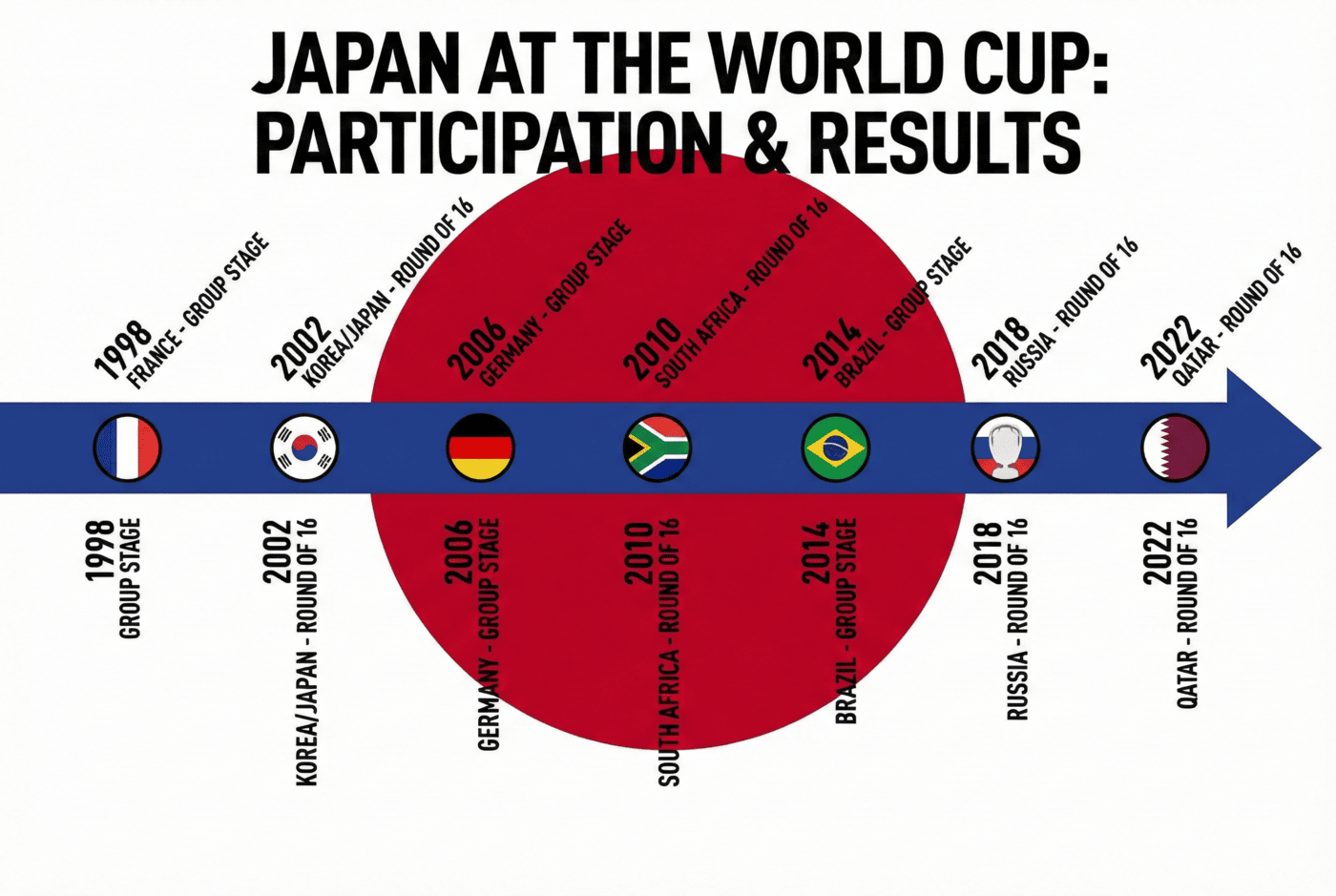
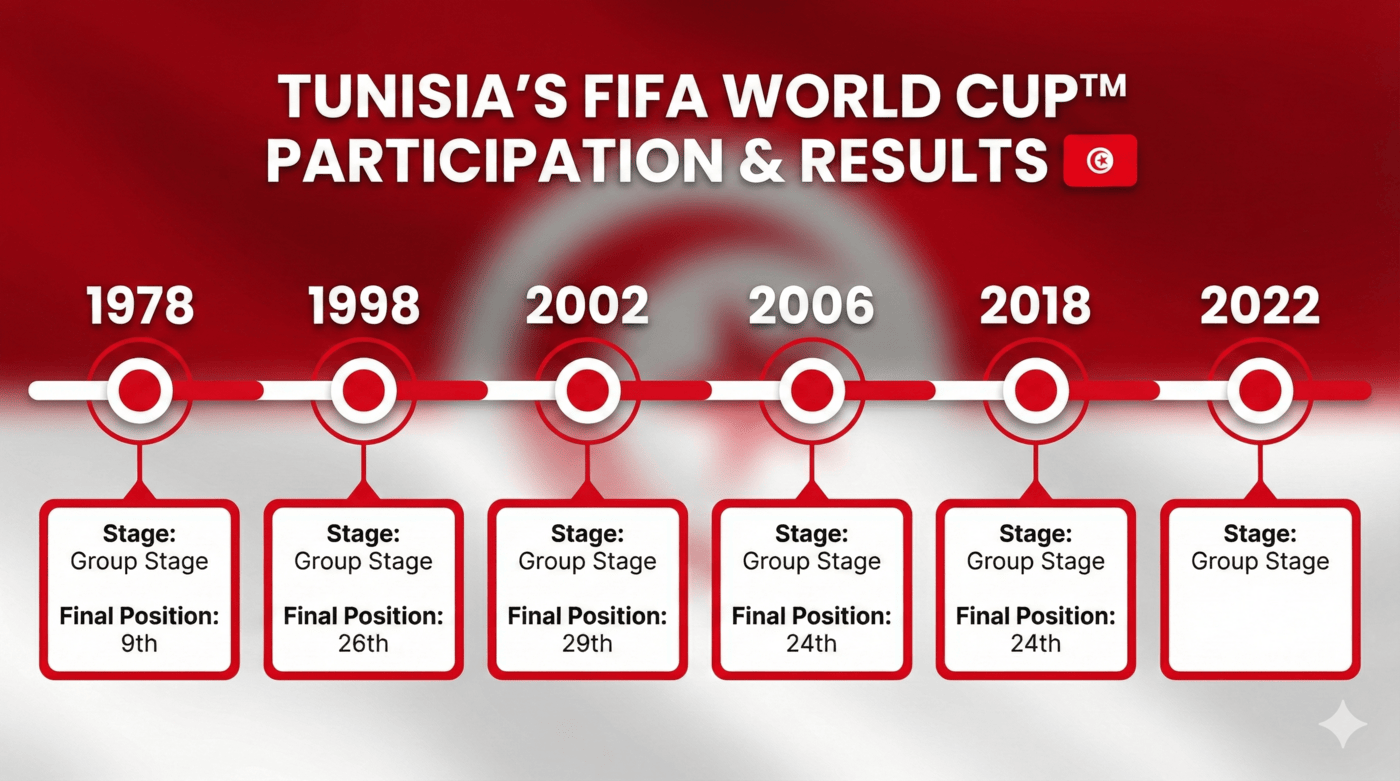
Sweden land in Group F, where the three scheduled opponents are Tunisia, the Netherlands, and Japan. Unlike some tournament groups shaped by unknown placeholders, this one is fully defined in the data, which gives the section a clean outline: opening match in Monterrey, second match in Houston, third match in Kansas City. There is variety in style and challenge across the three fixtures, but also an obvious competitive ladder within the group.

For Sweden, the order of matches matters almost as much as the opponents themselves. Opening against Tunisia gives them a chance to start from a balanced game rather than from immediate hierarchy. The second match, against the Netherlands, looks like the most demanding test on paper inside this group structure. The third, against Japan, could easily become the hinge match of the whole section, especially if the first two rounds leave the table compressed.

Group F matches for Sweden

Date Stadium City Opponent
14 June 2026 Estadio BBVA Monterrey Tunisia
20 June 2026 NRG Stadium Houston Netherlands
25 June 2026 Arrowhead Stadium Kansas City Japan

The first match against Tunisia should be read as a game Sweden cannot treat passively. Given their qualifying history, they are not a side that benefits from drifting into a tournament and hoping clarity arrives later. Their group phase in UEFA showed what happens when matches remain undefined too long. This opener therefore feels like a match to impose terms, or at least to avoid falling into an early chase. The likely script is tight, with few clear margins and a premium on the first goal. Plain-language forecast: draw.

The second match against the Netherlands appears to be the group’s most difficult assignment for Sweden. Even without extending into rival-specific details, the strategic reading is straightforward: this is probably the match where Sweden may spend longer without the ball and need their defensive concentration at its sharpest. Based on Sweden’s qualifying evidence, that is uncomfortable terrain. They conceded too often when higher-level pressure accumulated, especially against Switzerland. The key here would be to keep the match short on chaos and long on discipline. Plain-language forecast: Netherlands win.

The third match against Japan has the feel of a decider, or at least a match that will heavily influence second-place calculations. Sweden’s own profile suggests they are more competitive when the stakes are clear and the game can swing in transitions rather than settle into long, sterile control. That could make this fixture more open than the opener and less one-sided than the second match. If Sweden reach the final group match with a realistic qualification line, their play-off wins over Ukraine and Poland become relevant as emotional evidence: they have recently handled direct-pressure football well. Plain-language forecast: draw.

From Sweden’s point of view, the group is less about dominating anyone and more about sequencing the campaign intelligently. The opening match needs points. The middle match needs damage control and opportunism. The closing match may require nerve. Because Sweden arrive with the memory of a poor group campaign in qualifying but a strong knockout rescue, their tournament personality is likely to depend on the scoreboard more than on style. If they lead, they can grow. If they chase, the old qualifying doubts can reappear.

There is also a useful lesson from the UEFA campaign here. Sweden did not handle repeated frustrations well when they accumulated over time. But in short, high-stakes bursts, they became much more efficient. A World Cup group rewards teams that understand the value of the first point, the first lead, and the emotional order of the three-match sequence. Sweden do not need brilliance across all three fixtures. They need clarity, especially in the opener, and enough calm to arrive at the Japan match with the table still alive around them.

Keys to qualification

  • Sweden need a productive start against Tunisia; even one point keeps the group sequence balanced.
  • Avoiding a heavy defeat against the Netherlands could matter as much as the result itself because goal difference can become decisive.
  • The team must carry the sharper edge shown in the March play-offs into the final third.
  • Defensive concentration in late minutes is non-negotiable after several damaging concessions in qualifying.
  • If the Japan match becomes a direct shootout for progression, Sweden should trust the knockout temperament they showed against Ukraine and Poland.

Opinión editorial

Sweden arrive at this World Cup with an unusual profile: the table of their regular qualifying group says they should be doubted, but the play-offs say they should not be dismissed. That contradiction is not cosmetic; it is the center of the team’s identity. Over six group matches they looked vulnerable, underpowered, and too easy to tilt off course. Over two knockout matches they were bold, efficient, and resilient in hostile settings. Few teams enter a tournament carrying such different versions of themselves.

The editorial conclusion is simple: this Sweden side is dangerous only when it accepts the match for what it is and plays it with urgency. If they wait for games to settle kindly, they can get trapped, as happened on 8 September 2025 in the 0-2 loss to Kosovo and again on 13 October 2025 in the 0-1 home defeat to the same opponent. Those matches are the warning label attached to this campaign. Sweden have enough life to compete in Group F, but only if they stop replaying the slow, hesitant football that buried them in the first place.