Congo DR - Grupo K
🇨🇩 Roared Their Way In: DR Congo Arrive at the World Cup With Grit, Nerve and a Taste for the Tight Game
A qualification run built on discipline, short-score wins and a playoff finish that revealed a team comfortable living on the edge.
Introducción
There are teams that qualify by storming through the front door, loud and overwhelming, and there are teams that get there by learning how to survive every kind of evening. DR Congo belong to the second category. Their road to the World Cup was not a straight sprint but a series of small, stubborn advances: a controlled home win, a painful away stumble, a late equalizer against a heavyweight, another one-goal edge preserved with concentration, and then, when the direct route closed, a playoff path that demanded calm legs and a cool head.
That is what gives this campaign its texture. It was not all sparkle, and it certainly was not comfortable. But it was coherent. DR Congo built a qualification case on order, resilience and the ability to turn close matches in their favor. They were rarely chaotic, rarely blown away, and often just sharp enough at the decisive moment. In a qualifying campaign where margins mattered, they made a habit of living inside those margins without panicking.
The story becomes clearer when the numbers come in. DR Congo finished second in Group B with 22 points from 10 matches, posting a record of 7 wins, 1 draw and 2 defeats. They scored 15 goals and conceded only 6, for a goal difference of +9. That defensive line is one of the real signatures of the run: not a team that needed to score three or four every night, but one that repeatedly gave itself a chance to win because it did not give much away.
There were several turning points along the way. On 15 November 2023, the campaign opened with a 2-0 home win over Mauritania, a result that settled nerves and gave shape to the first steps. On 6 June 2024, the 1-1 draw away to Senegal carried weight beyond the single point, because Mayele’s late equalizer showed DR Congo could stay alive against the strongest side in the group. Then, on 9 September 2025, the 2-3 home defeat against Senegal cut deeply: DR Congo had scored twice, but the group lead slipped away in a match that exposed the fine line between competing and controlling. They recovered well enough to stay in the hunt, yet that night helped define why a playoff became necessary.
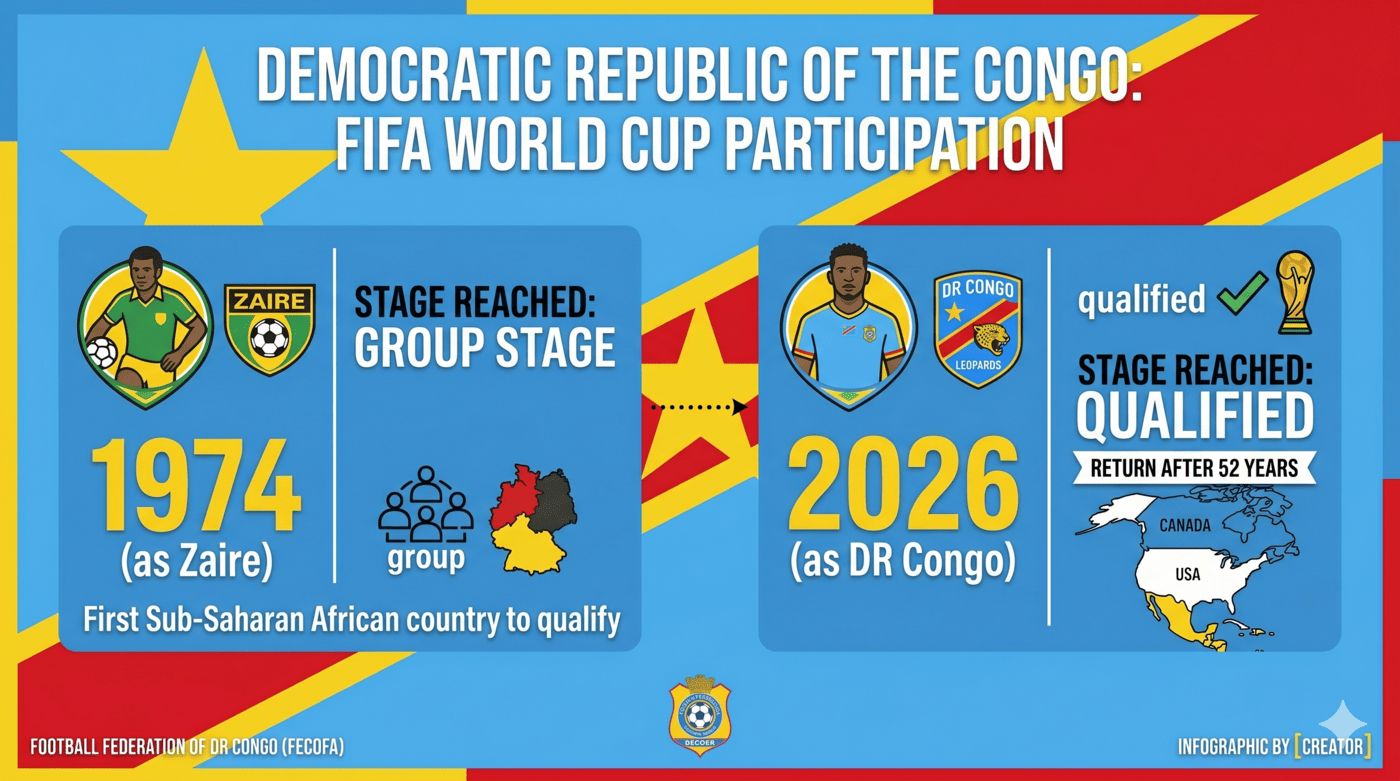
And then came the final stretch, where the campaign changed mood. A 1-0 semifinal win over Cameroon on 13 November 2025 and a 1-1 draw with Nigeria on 16 November 2025, settled 4-3 on penalties, gave the team its first major knockout punctuation mark. But even that was not the end. In the intercontinental playoff, DR Congo defeated Jamaica 1-0 after extra time on 31 March 2026 in Guadalajara. Qualification, in other words, was not gifted by table arithmetic alone. It had to be defended, then reclaimed, then finished.
This is why DR Congo arrive with an identity that can travel. Not because they dominated every phase, but because they passed through several different kinds of pressure. They won enough at home, found enough away from home, and kept enough games inside reachable scorelines to remain alive until the final ticket was stamped.
El camino por Eliminatorias
The CAF qualifying route demanded consistency over ten group matches, and DR Congo gave themselves a real chance by staying near the top from the opening stretch to the end. Group B became a two-team race at the summit, with Senegal pulling away only slightly. DR Congo closed in second place on 22 points, two behind Senegal’s 24. That difference tells the whole story of the regular phase: close enough to dream of direct control, not quite enough to seize it outright.
The table also shows how much separation DR Congo created from the rest. Sudan finished third with 13 points, already nine points behind the Congolese side. Togo collected 8, Mauritania 7 and South Sudan 5. So while the battle for first was narrow, DR Congo’s hold on the upper tier was firm. Seven wins in ten matches is the profile of a serious qualification campaign; the issue was that Senegal were slightly more airtight, unbeaten with only three goals conceded.
There is a numerical tension inside DR Congo’s record that helps explain the campaign’s feel. Fifteen goals in ten matches is productive but not explosive. Six conceded in ten is excellent. So this was a team whose qualification rhythm depended less on avalanches and more on scoreboard management. They won four regular-phase matches by 1-0, another by 2-0, and one by 2-0 away from home. Even their biggest attacking night, the 4-1 away win over South Sudan, fit the broader pattern: strike, control, punish, close.
Their regular phase can be divided into three blocks. First came the opening adjustment: win over Mauritania, loss to Sudan. That early defeat mattered because it removed margin instantly. The second block was the stabilizing run: draw away to Senegal, home win over Togo, home win over South Sudan, away win over Mauritania. That sequence rebuilt the campaign and put DR Congo in a position to challenge for first. The third block brought both their highest attacking expression and their greatest regret: the 4-1 away victory in Juba showed sharpness in transition and finishing power, but the 2-3 loss at home to Senegal turned a possible statement win into a defining setback.
After that, DR Congo did what reliable teams do: they finished the regular group strongly. A 1-0 away win at Togo and a 1-0 home win over Sudan closed the ten-match schedule on six points from six. There was no collapse, no emotional spillover from losing to Senegal. That ending preserved second place with authority and set the table for the next stage.
And that next stage is essential to this story. The table says second; the campaign says unfinished business. DR Congo had done enough to stay alive, but not enough to settle everything inside the group alone. That is why the playoff chapters matter so much. The road to the World Cup for this team cannot be told only through Group B. It has to include the knockout pressure that followed, because that is where the campaign gained its final stamp of character.
Before the intercontinental playoff, there was another competitive threshold to clear. On 13 November 2025, DR Congo beat Cameroon 1-0 in a semifinal thanks to Mbemba’s goal in stoppage time, at 90+1. It was the kind of result that fits the campaign perfectly: low margin, high tension, reward delayed until the very end. Three days later, on 16 November 2025, they drew 1-1 with Nigeria in the final, then won the penalty shootout 4-3. Again, the script was familiar. DR Congo did not run away from the match; they stayed in it and held their nerve when the game narrowed into a sequence of kicks and breath.
That sequence led them to the final international hurdle. In Guadalajara, on 31 March 2026, DR Congo defeated Jamaica 1-0 after extra time in the intercontinental playoff final. It was not a decorative victory. It was a qualifying win in the purest sense: one goal, one night, one ticket. Jamaica had already beaten New Caledonia 1-0 in the semifinal on 26 March, so DR Congo met an opponent that had already adapted to the setting. They still found the extra push required. Qualification ended not with flourish, but with endurance.
That is why this campaign deserves to be read in full. The regular table proves DR Congo were one of the strongest teams in their section. The playoff run proves they could absorb elimination pressure without losing their shape. Together, those two layers form a credible World Cup résumé.
| Date | Round | Opponent | Venue status | Result | Goalscorers | Stadium |
|---|---|---|---|---|---|---|
| 15 November 2023 | Matchday 1 | Mauritania | Home | DR Congo 2-0 Mauritania | Wissa, Bongonda | Stade des Martyrs, Kinshasa |
| 19 November 2023 | Matchday 2 | Sudan | Away | Sudan 1-0 DR Congo | Own goal by Pickel | Martyrs of Benina Stadium, Benghazi |
| 6 June 2024 | Matchday 3 | Senegal | Away | Senegal 1-1 DR Congo | Mayele | Abdoulaye Wade Stadium, Diamniadio |
| 9 June 2024 | Matchday 4 | Togo | Home | DR Congo 1-0 Togo | Elia | Stade des Martyrs, Kinshasa |
| 21 March 2025 | Matchday 5 | South Sudan | Home | DR Congo 1-0 South Sudan | Bongonda | Stade des Martyrs, Kinshasa |
| 25 March 2025 | Matchday 6 | Mauritania | Away | Mauritania 0-2 DR Congo | Pickel, Mayele | Municipal Stadium, Nouadhibou |
| 5 September 2025 | Matchday 7 | South Sudan | Away | South Sudan 1-4 DR Congo | Bakambu, Bakambu, Mbuku, Wissa | Juba Stadium, Juba |
| 9 September 2025 | Matchday 8 | Senegal | Home | DR Congo 2-3 Senegal | Bakambu, Wissa | Stade des Martyrs, Kinshasa |
| 10 October 2025 | Matchday 9 | Togo | Away | Togo 0-1 DR Congo | Bakambu | Stade de Kégué, Lomé |
| 14 October 2025 | Matchday 10 | Sudan | Home | DR Congo 1-0 Sudan | Bongonda | Stade des Martyrs, Kinshasa |
| 13 November 2025 | Semifinal | Cameroon | Away | Cameroon 0-1 DR Congo | Mbemba | Al Medina Stadium |
| 16 November 2025 | Final | Nigeria | Away | Nigeria 1-1 DR Congo, DR Congo won 4-3 on penalties | Elia | Stade Moulay Hassan |
Table 1
| Pos | Team | Pts | MP | W | D | L | GF | GA | GD |
|---|---|---|---|---|---|---|---|---|---|
| 1 | Senegal | 24 | 10 | 7 | 3 | 0 | 22 | 3 | +19 |
| 2 | DR Congo | 22 | 10 | 7 | 1 | 2 | 15 | 6 | +9 |
| 3 | Sudan | 13 | 10 | 3 | 4 | 3 | 8 | 6 | +2 |
| 4 | Togo | 8 | 10 | 1 | 5 | 4 | 5 | 10 | -5 |
| 5 | Mauritania | 7 | 10 | 1 | 4 | 5 | 4 | 13 | -9 |
| 6 | South Sudan | 5 | 10 | 0 | 5 | 5 | 3 | 19 | -16 |
The playoff chapter deserves its own reading because it sharpened the emotional profile of the qualification. DR Congo did not reach the World Cup by drifting through administrative openings or soft fixtures. They had to win matches where one mistake could have ended the journey. That makes their route heavier, but also more revealing. A team that comes through knockout football learns something about itself that a clean group winner does not always need to learn.
Against Cameroon, the semifinal was tight until the final breath. Mbemba’s stoppage-time winner was not just dramatic; it underlined how committed this team had become to matches decided in one action. Against Nigeria, the final demanded a different skill: not the late punch, but the long resistance of a game extended emotionally by penalties. Then came Jamaica in Guadalajara, a final international barrier settled only after extra time. By then the pattern was undeniable. DR Congo had made a home inside pressure.
Partidos de repechaje
| Bracket | Phase | Date | Time | Venue | Stadium | Team 1 | Result | Team 2 |
|---|---|---|---|---|---|---|---|---|
| Repechaje 1 | Semifinal | 26 March 2026 | 20:00 | Guadalajara | Estadio Guadalajara | New Caledonia | 0-1 | Jamaica |
| Repechaje 1 | Final | 31 March 2026 | 15:00 | Guadalajara | Estadio Guadalajara | RD Congo | 1-0 a.e.t. | Jamaica |
From a numbers point of view, the campaign had a very clear split. In the ten-match group phase, DR Congo took 13 points from five home matches and 9 from five away matches. At home they scored 7 and conceded 4; away they scored 8 and conceded 2. That away defensive figure is particularly striking. For a team with several narrow wins, being this stable on the road is often the difference between competing and fading.
There is also a strong close-game pattern. In the regular phase alone, six of the ten matches were decided by a single goal. DR Congo won five of those six. Add the 1-0 semifinal over Cameroon and the 1-0 after-extra-time win over Jamaica, and the trend becomes even stronger. This was a qualification driven by control of the thin edge, not by scoreboard excess.
Cómo juega
The first thing the results suggest is that DR Congo are a team that prefers to make matches manageable. They do not look built to trade wild punches for ninety minutes. Their record points toward a side that wants structure first, then moments. Fifteen goals in ten group matches is a solid return, but not one that screams all-out attack. Six conceded in the same span is where the real identity sits. They tend to keep games narrow enough to be decided by one sequence, one transition, one cross, one set-piece second ball, one finish taken at the right time.
That is why the 1-0 scoreline appears so often in their campaign. They beat Togo 1-0 at home, South Sudan 1-0 at home, Togo 1-0 away and Sudan 1-0 at home. They also beat Cameroon 1-0 in the knockout stage and Jamaica 1-0 after extra time in the intercontinental playoff. This is not random repetition. It suggests a side comfortable without needing a second or third layer of insurance. The upside is clarity: DR Congo know how to protect a lead. The danger is obvious too: if the first goal does not come, or if it is conceded, the margin for recovery shrinks quickly.
The away numbers reinforce that reading. In the regular group stage they conceded only twice in five away matches: one in the defeat to Sudan and one in the draw at Senegal. That means they kept clean sheets away to Mauritania and Togo, and even their biggest away attacking night, the 4-1 at South Sudan, still fit the pattern of scoreboard command after gaining traction early. This is a useful World Cup trait. Teams that travel well defensively do not always dazzle, but they remain alive in tournaments.
The attack appears more distributed than dependent on a single finisher. Bakambu had a visible scoring burst, especially with the brace against South Sudan and the winner at Togo. Bongonda scored in the opening win over Mauritania, added the winner against South Sudan, and closed the group phase with the goal against Sudan. Wissa scored in the first match and again against South Sudan and Senegal. Mayele delivered a crucial equalizer away to Senegal and added another away goal at Mauritania. Elia scored against Togo, then again in the final against Nigeria. Even Pickel appears on the scoresheet, one time unfortunately through an own goal, another through an early strike against Mauritania. In simple terms, DR Congo do not look chained to one name to find goals. That variety helps in short tournaments.
But the vulnerability is just as clear: when a stronger opponent can force them into a more open match, DR Congo become easier to hurt. The 2-3 loss at home to Senegal is the key example. They scored twice, which should have been enough to take something from many qualifiers, yet they still lost. That tells us their preferred scenario is not a stretched contest. They are better when the game is compact, when they can stay organized and strike rather than chase. If the match turns into exchanges, their defensive strength becomes less absolute.
There is also evidence that timing matters enormously for this team. Several decisive goals arrived late or at psychologically sensitive moments: Bongonda at 45+3 against South Sudan, Mbuku at 45+1 against South Sudan, Mbemba at 90+1 against Cameroon. DR Congo are capable of staying emotionally present in those windows. That is a strength. At the same time, they also suffered from key opponent strikes in difficult moments, such as Senegal’s late winner through Matar Sarr in the 87th minute. So this team’s profile is not just tactical in broad terms; it is temporal. Their matches often swing in brief, decisive bursts.
In plain football language, DR Congo look like a side that wants to defend with conviction, attack with enough directness to create manageable leads, and avoid matches that become too loose. They are not timid. The 4-1 in Juba proves they can accelerate. But their best version is the one that keeps the game inside a narrow corridor and then wins the details.
El Grupo en el Mundial
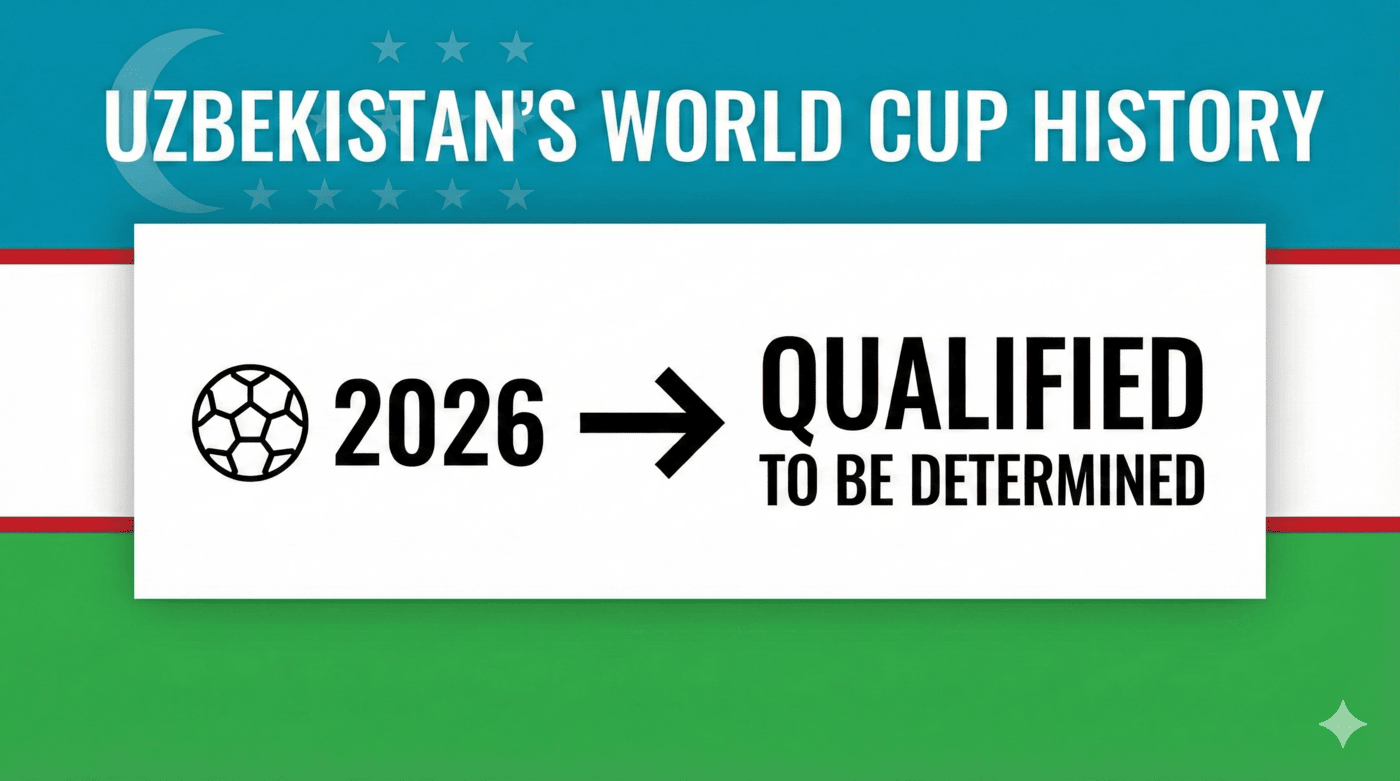
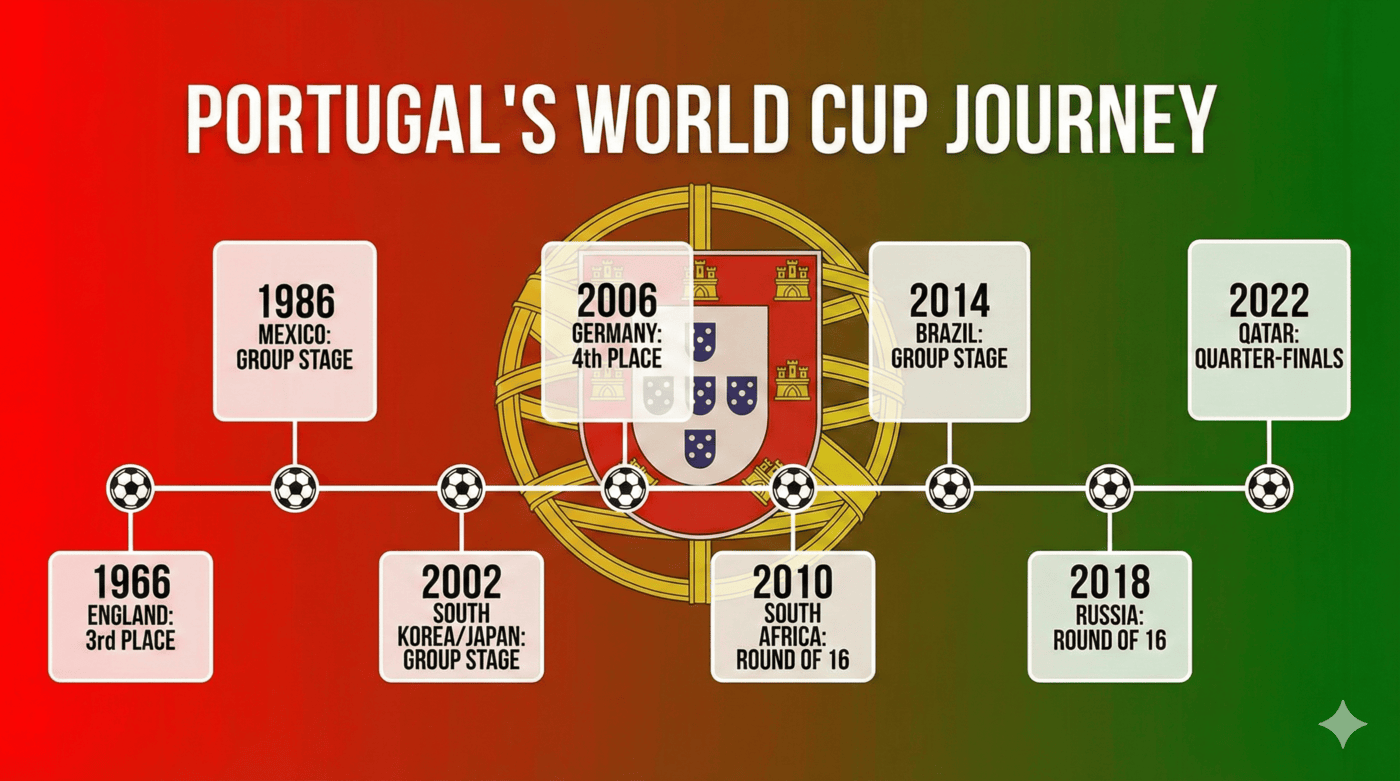
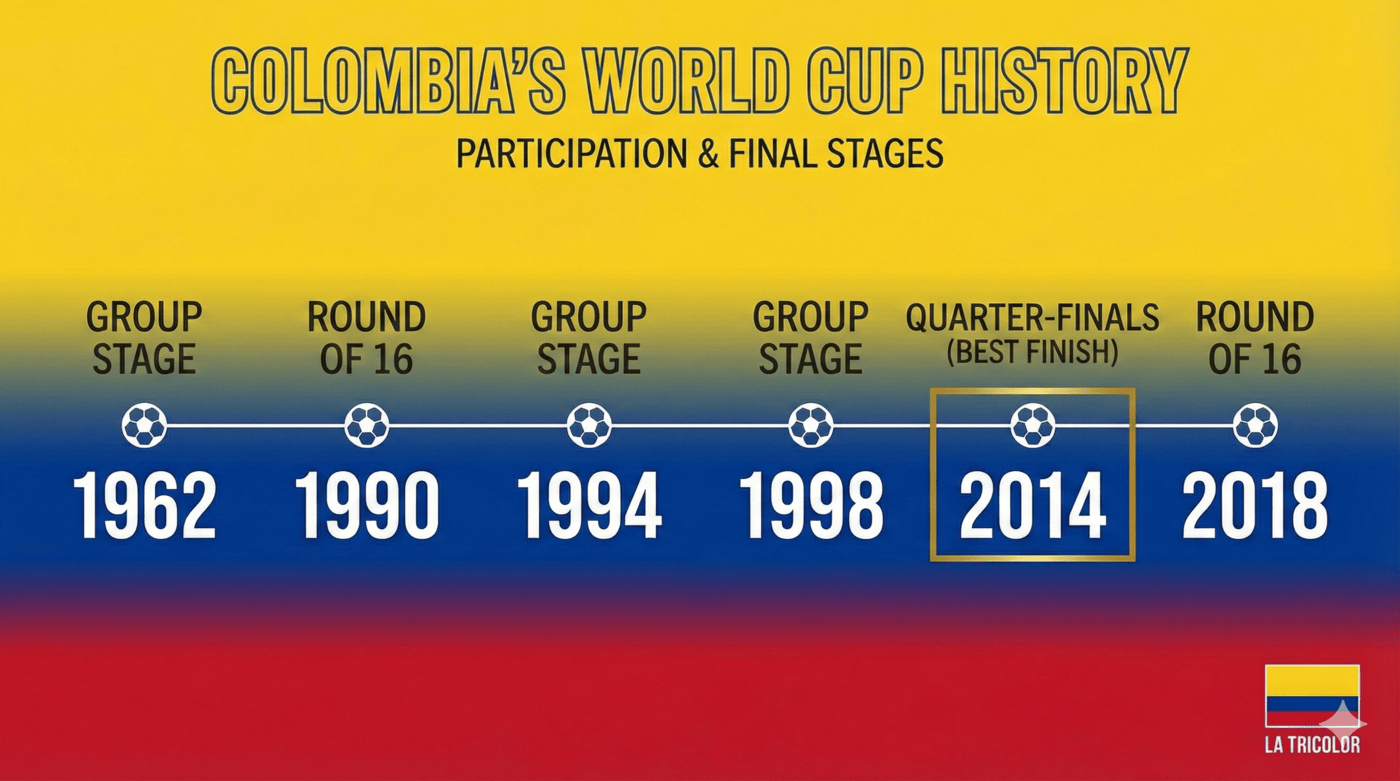
DR Congo have been placed in Group K, and the schedule gives them a demanding but readable arc. First comes Portugal on 17 June 2026 in Houston, then Colombia on 23 June 2026 in Guadalajara, and finally Uzbekistan on 27 June 2026 in Atlanta. The order matters. Two heavyweight names arrive first, which means the opening stretch will test DR Congo’s ability to stay alive without wasting emotional energy. The third match could become a direct race for survival, points or even something bigger depending on the earlier results.
There is also a travel and atmosphere component. Houston, Guadalajara and Atlanta are three different stages with three different rhythms around them, and DR Congo will need the kind of adaptability they already showed in qualifying. Their route to the tournament included difficult away fixtures, knockout tension and extra time, so the setting should not overwhelm them. But the group order leaves little room for a slow start. This is not a section in which they can drift into shape by the second half of the second game.
The opener against Portugal looks like the match where discipline has to lead everything. DR Congo have enough evidence in their campaign to believe in a compact, serious performance over long stretches. This feels like a game to deny spaces, avoid gifting momentum, and keep the score short for as long as possible. If they do that, the emotional value of every minute increases. Plain-language prediction: Portugal win. The key is not fantasy; it is damage control and competitive presence.
The second match against Colombia may be the group’s hinge for DR Congo. Coming after the opener, it could become a game of urgency or opportunity depending on what happened in Houston. The Congolese path to the World Cup suggests they are comfortable in matches decided by one goal and patient enough to stay in a contest. That makes this the kind of game where avoiding an early concession becomes huge. If they can keep it in the low-scoring range, the possibility of taking something remains real. Plain-language prediction: draw.
The third match against Uzbekistan has the profile of a direct confrontation, the sort of game tournaments often reduce teams to by the final round. For DR Congo, this should be approached as a match to impose themselves rather than wait. Their qualification file says they are strongest when they can set the terms of a compact game and then strike with conviction. If the group has left qualification lines open by then, this could become their most important ninety minutes. Plain-language prediction: DR Congo win.
The broader point is that DR Congo do not need to dominate Group K to become awkward opponents inside it. Their campaign has already shown the tools: defensive economy, tolerance for pressure and enough spread in goalscoring to avoid becoming too predictable. In a group phase, that can be enough to drag better-known opponents into uncomfortable territory. What they cannot afford is to lose control of scorelines early, because their route here has shown that they are strongest when the match remains measured.
| Date | Stadium | City | Opponent |
|---|---|---|---|
| 17 June 2026 | NRG Stadium | Houston | Portugal |
| 23 June 2026 | Estadio Chivas | Guadalajara | Colombia |
| 27 June 2026 | Mercedes-Benz Stadium | Atlanta | Uzbekistan |
The qualification keys are fairly clear:
- Keep the opener against Portugal inside a short scoreline for as long as possible.
- Avoid chasing the game too early against Colombia; patience is part of DR Congo’s best football.
- Treat the match against Uzbekistan as a game to impose tempo and collect points, not merely react.
- Preserve the away-game discipline that shaped the qualifiers, especially the low number of goals conceded.
- Find at least one attacking contribution beyond the main scorers, as happened repeatedly in the qualifying run.
Opinión editorial
DR Congo do not arrive at this World Cup wrapped in noise, and that may suit them perfectly. Their qualification campaign never really depended on spectacle. It depended on knowing who they were. Seven wins in the group phase, only six goals conceded, and a sequence of playoff matches navigated with composure tell the same story from different angles: this is a team that has learned how to remain standing when matches become tense, ugly or very small in the scoreline. Tournament football often rewards exactly that kind of emotional literacy.
The warning sign is just as clear, though, and it comes with a date attached to it: 9 September 2025, the 2-3 home loss to Senegal. That match showed both faces at once. DR Congo had enough attacking bite to hurt a major opponent, but not enough control to shut the door when the game opened up. If Group K pushes them into that kind of exchange too often, their margin will thin quickly. But if they can turn the group into the kind of narrow, stubborn football they lived through on the road to qualification, they will not be a decorative participant. They will be a difficult one.