


UEFA 4 - Grupo A
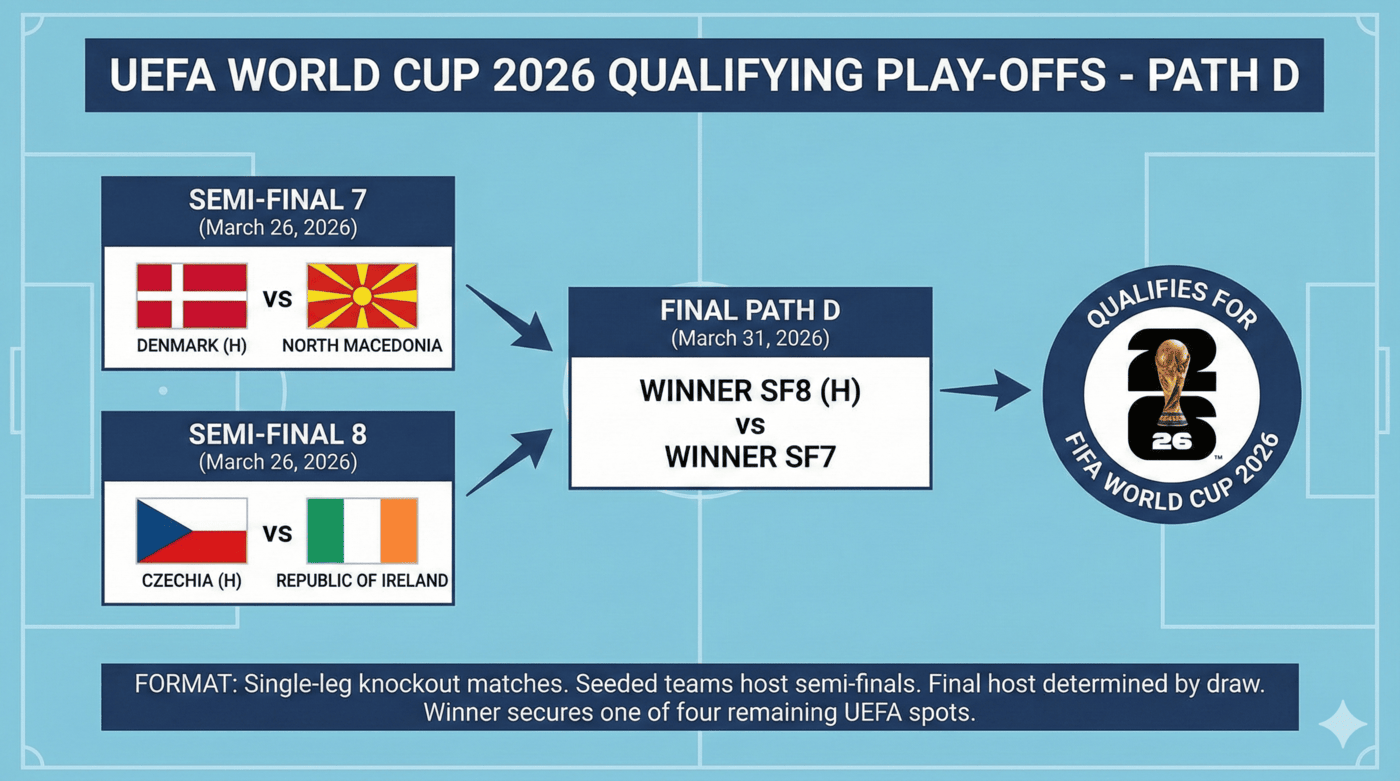
🌍🔥 UEFA Play-off Path D: Four teams, three matches, one golden ticket 🇪🇺⚽🏆
Subheading: Czech Republic, Ireland, Denmark, and North Macedonia in a mini–knockout: two wins and you’re at the World Cup.
What Path D is — and why it’s a trap for anxiety
UEFA Play-off Path D squeezes everything into one intense week: two semifinals and a final, all single-leg. There’s no room to “manage” a first act and fix it in a second. The team that handles tension best — and doesn’t get dragged around by the clock — is usually closer to the ticket than the team that tries to force it.
In these ties, the biggest risk isn’t tactical. It’s emotional. The format pushes you to speed up, to feel like “we have to score now,” and that’s where broken games, cheap mistakes, and rushed decisions appear.
Official schedule for Path D
Path D is played in the March 2026 international window: semifinals on 26/03/2026 and the final on 31/03/2026.
| Date | Round | Venue | Match |
|---|---|---|---|
| 26/03/2026 | Semifinal | Prague | Czech Republic vs Ireland |
| 26/03/2026 | Semifinal | Copenhagen | Denmark vs North Macedonia |
| 31/03/2026 | Final | — | Winner of Prague semifinal vs Winner of Copenhagen semifinal |
How you win a route like this: three rules that tend to repeat
In single-leg play-offs, the “manual” is short — and every line matters:
- 1–0 puts the world in order. The team in front chooses tempo and forces the opponent into risk.
- Efficiency rules. It’s not about stacking chances — it’s about not wasting the clear one you get.
- The head decides the finish. If it stays open late, it’s usually settled by details: a set piece, a transition, one turnover.
Semifinal: Czech Republic vs Ireland
Date: 26/03/2026 Venue: Prague
Prague often produces a match of controlled tension: home advantage, yes, but also an opponent that can choose a long, stubborn game. For the home side, the key is not turning initiative into hurry.
Czech Republic’s keys
- Avoid messy attacks: one badly placed turnover rewrites the script.
- Turn control into facts: shots, set pieces, second balls.
- If the goal doesn’t come early, stay calm: single-leg ties punish anxiety.
Prediction: draw.
Semifinal: Denmark vs North Macedonia
Date: 26/03/2026 Venue: Copenhagen
Copenhagen, by context, pushes the home side to impose from the start. The key is doing it with structure: a play-off is won when the plan stays intact even if the goal takes time.
Denmark’s keys
- Set the tempo without opening up: don’t let it become end-to-end.
- Protect the first turnover: build-up has to stay clean.
- Arrive late with legs and clarity, in case it needs solving in the final stretch.
Prediction: Denmark win.
The final: the match that puts you at the World Cup — or leaves you empty
Date: 31/03/2026 Venue: — (not specified)
Play-off finals have a non-negotiable ingredient: fear of losing. It’s normal for them to start cautious and grow more emotional as minutes pass. If the scoreline doesn’t break, the match becomes a test of nerve, execution, and tiny decisions.
Likely scenario
- If Denmark reach it, the priority is usually to control tempo and avoid a final that turns into constant trading of attacks.
- If any of the other three reach it, the goal is often to keep it alive and wait for one clean moment to strike.
Prediction: Denmark win.
Editorial view
Path D is the kind of bracket that exposes a basic truth: play-off football doesn’t reward hurry, it rewards control. The most common mistake is trying to “solve it now” and gifting the match with cheap turnovers, avoidable fouls, or rushed choices.
The warning is simple: if the final stays open into the last stretch, the team with more calm — and better judgment on when to accelerate and when to breathe — usually gets through. Because in a single-leg match, the most dangerous opponent isn’t always the one across from you. Often, it’s the clock.
More from this group
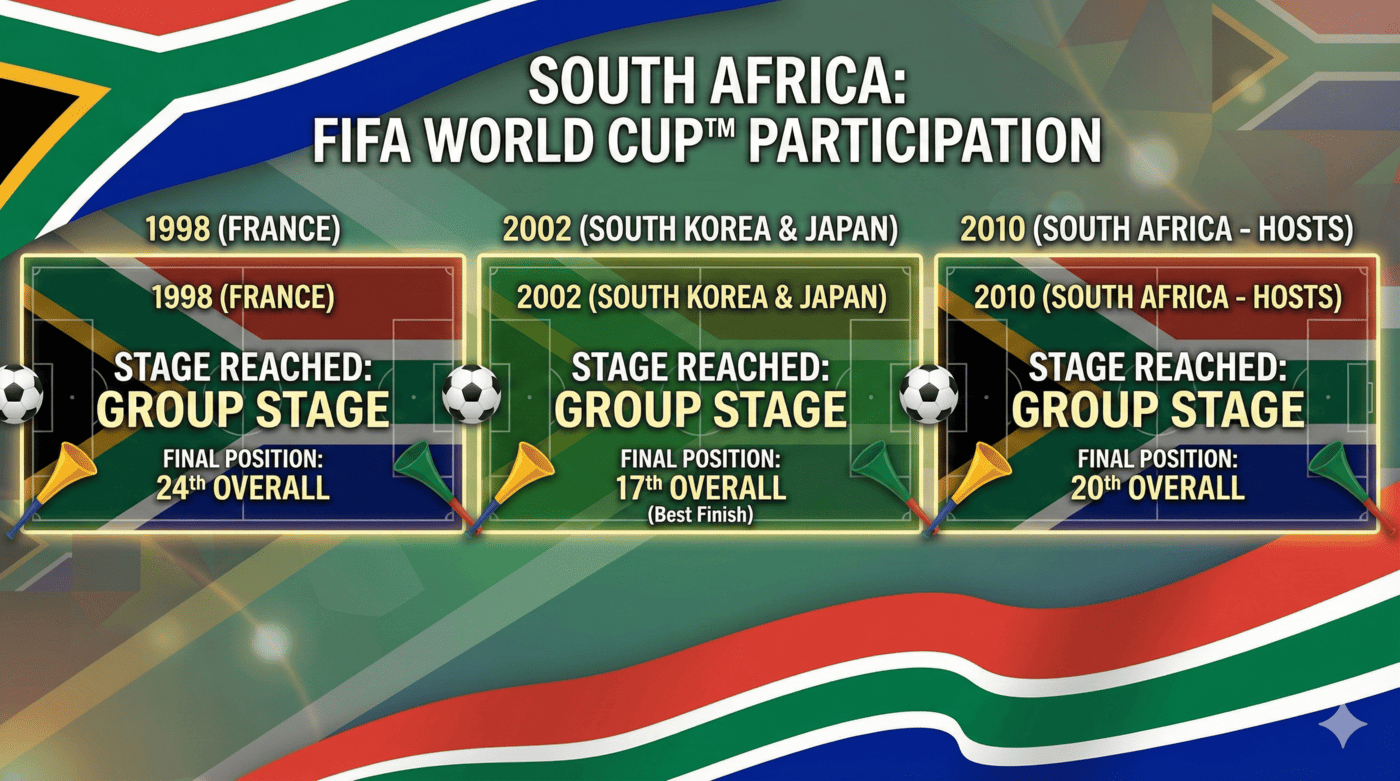
 South Africa
 reignites the spark: Bafana Bafana, from the mud to the World Cup road
There’s a particular sound South Africa makes when a match tilts in its favor: not just the roar, but the release. The kind you hear when the first pass finally breaks a line, when...
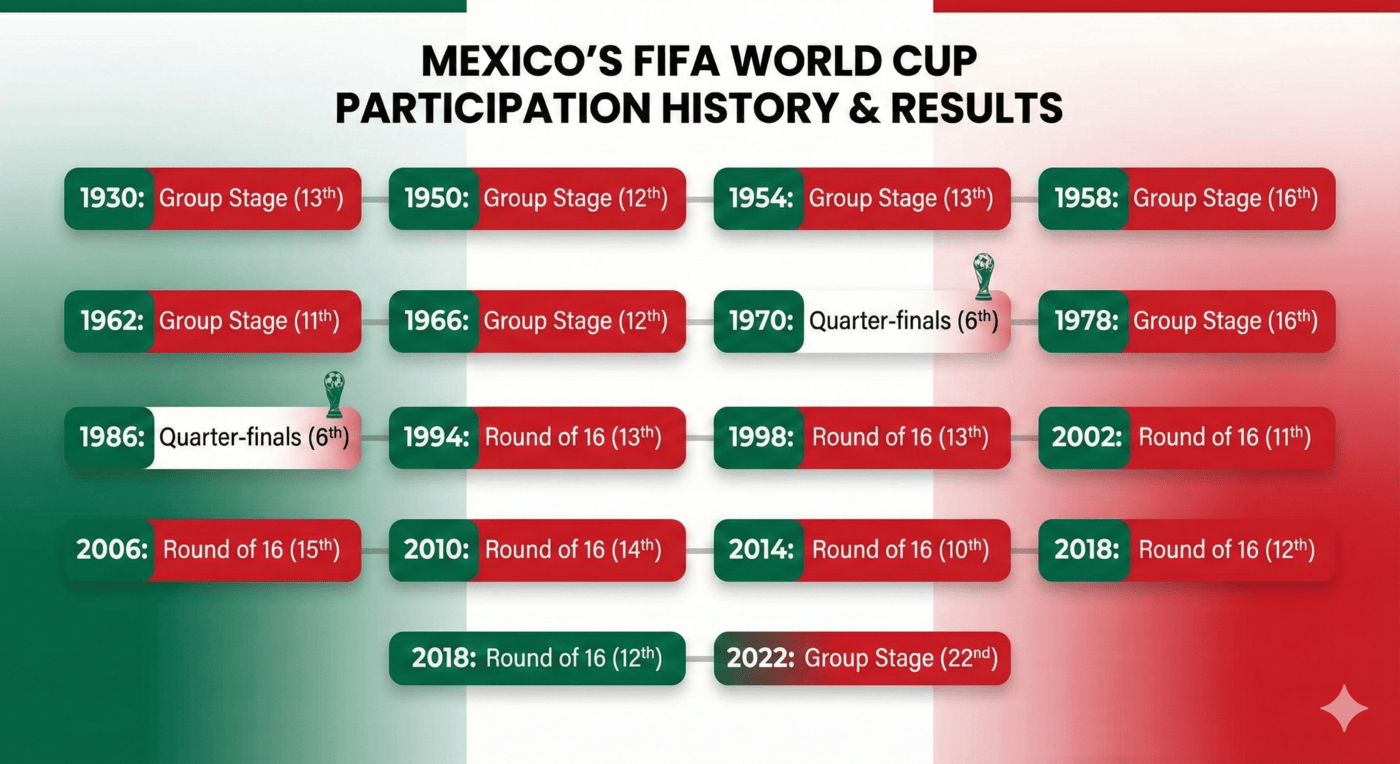
 Mexico
 2026: the host playing for its narrative
Being a host doesn’t qualify you for anonymity—it qualifies you for the spotlight. Mexico heads into the 2026 World Cup with the logistical upside of playing at home and the emotio...
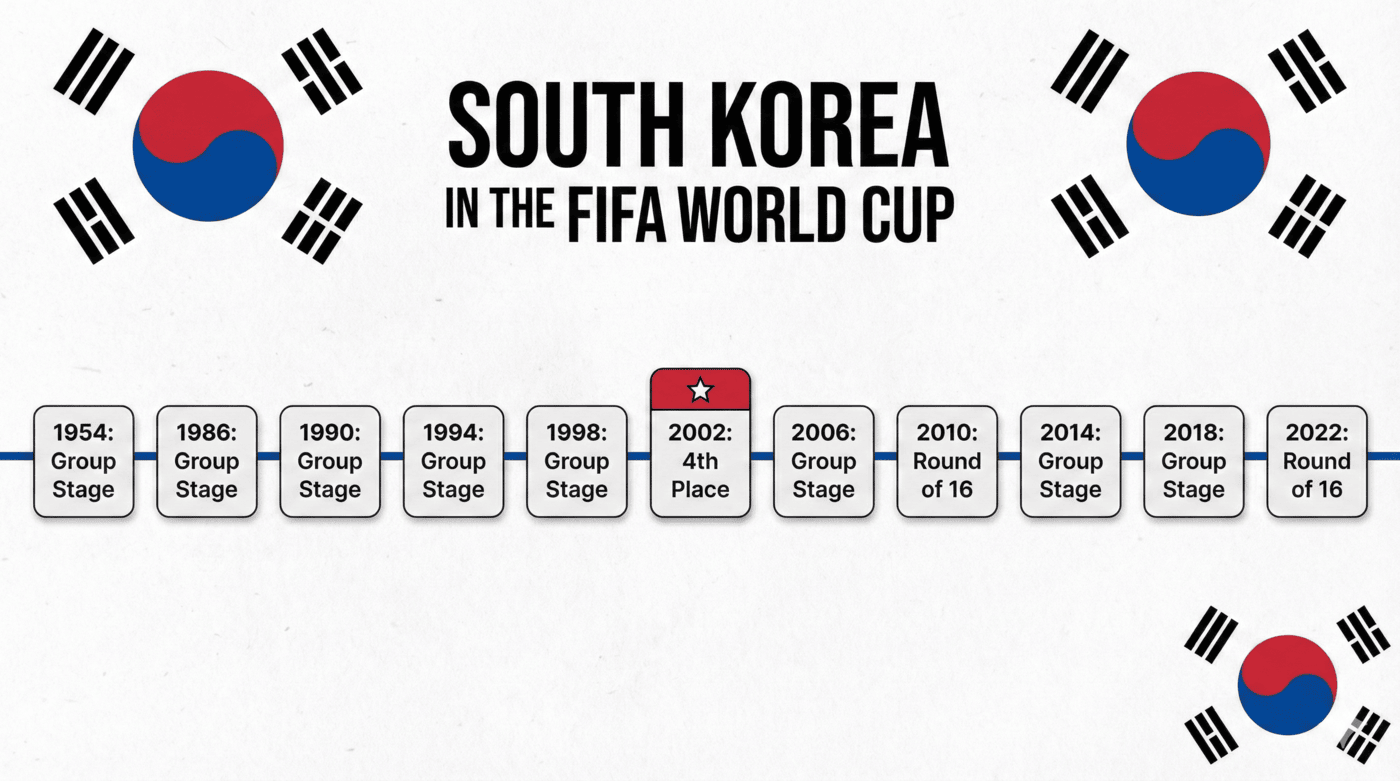
 Korea Republic
 South Korea, the art of winning and the patience to grow
There are national teams that seduce with fireworks, and others that win by repeating the same small truths until they become a habit. South Korea’s qualifying story fits the secon...