




Ecuador - Grupo E

Ecuador  The Tri, built on steel and silence

Ecuador 🇪🇨🔥 The Tri, built on steel and silence

A qualification campaign of narrow margins and cold control that sets up a World Cup group where every detail will matter.

Introduction

Ecuador’s story in this cycle reads like a match played in a thin mountain night: the air is sharp, the spaces are scarce, and the game is decided by who keeps their balance when the lungs start to burn. There were no headline-grabbing scorelines every week, no constant fireworks. Instead, Ecuador wrote their pages with a steady hand—one clean sheet at a time, one small advantage protected like it was a trophy.

There’s a particular kind of confidence that comes from winning without noise. Ecuador leaned into that identity. They didn’t chase chaos; they arranged the match. They didn’t need to score three to feel safe; they learned to live comfortably at one. And when the opponent tried to break the rhythm, Ecuador often responded with the most frustrating answer in football: nothing. No space, no gifts, no oxygen.

But this wasn’t a flat line. The campaign had hinge moments—turns in the road where the mood could have slipped into doubt or, instead, crystallized into belief. It began with a tough opening punch: on September 7, 2023, Ecuador lost 1–0 away to Argentina (Messi 78’) in Buenos Aires. A tight defeat, but also a message: the margins would be thin, and Ecuador would have to become excellent at living inside them.

Five days later, on September 12, 2023, Ecuador answered at home with a 2–1 win over Uruguay in Quito, with Félix Torres scoring twice (45+5’, 61’). It was more than points—it was a response. And later, when the campaign reached its business end, another hinge arrived: on November 19, 2024, Ecuador went to Barranquilla and won 1–0 away to Colombia with an early strike from Enner Valencia (7’). That was the kind of away win that shifts a table and hardens a team’s spine.

The numbers underline the narrative. Ecuador finished second in the CONMEBOL standings with 29 points from 18 matches, built on 8 wins, 8 draws, and only 2 losses. The attacking volume was modest—14 goals scored—but the defensive record was elite: just 5 conceded, with a +9 goal difference. That is not a team surviving on luck; it’s a team specializing in control.

And if you want the final signature on the campaign, it came late: on September 9, 2025, Ecuador beat Argentina 1–0, with Valencia converting a penalty at 45+3’ in Guayaquil. One goal again, one sheet clean again, and one more reminder that Ecuador’s football in this cycle wasn’t about spectacle. It was about certainty.

The Road Through Qualifiers

CONMEBOL qualification is a marathon with no shade. Every opponent is familiar, every away trip is a trap, and the table punishes soft spells with brutal efficiency. Ecuador navigated it with a very specific profile: a team that rarely loses, rarely concedes, and accepts that not every match needs to be “won” in the aesthetic sense to be won on the table.

From the standings, Ecuador’s second place is both impressive and revealing. Argentina ran away at the top with 38 points, but behind them the pack was tight: Colombia, Uruguay, Brazil, and Paraguay all clustered at 28 points. Ecuador didn’t dominate that cluster by scoring more; they did it by being harder to beat and cleaner in the details, turning draws into a form of defensive capital while picking their moments to strike.

Statistically, Ecuador’s balance is unusual in South American qualifying: 18 matches, 8 wins and 8 draws is a massive volume of games without defeat. Only 2 losses in 18 matches is the kind of return normally associated with the table’s summit. The flip side is the goals scored: 14 in 18 is less than a goal per match. That combination—low scoring, ultra-low conceding—defines the entire campaign.

The campaign’s rhythm can be segmented into phases. The early stretch mixed hard lessons with immediate corrections: the 1–0 loss in Argentina (September 7, 2023) was followed by the 2–1 win vs Uruguay (September 12, 2023) and a 2–1 away win at Bolivia (October 12, 2023), where Kendry Páez struck before the break and Kevin Rodríguez sealed it late (90+6’). Ecuador showed early that they could win in altitude and in hostile stadiums—without needing control through possession narratives, just control through the scoreboard.

Then came the defining stretch of Ecuador’s identity: the accumulation of clean sheets and tight margins. A 0–0 vs Colombia (October 17, 2023) was followed by a 0–0 away vs Venezuela (November 16, 2023). The team’s ability to take points without scoring became a recurrent theme. The 1–0 home win vs Chile on November 21, 2023 (Ángel Mena 21’) felt almost like a template: strike once, lock the doors, and make the match shorter.

The 2024 return introduced two more classic Ecuador moments: a narrow defeat away to Brazil (September 6, 2024, 1–0) and an immediate rebound at home against Peru (September 10, 2024, 1–0, Valencia 54’). Again: a slip, then a reset. Ecuador’s campaign rarely spiraled. Even when they didn’t win, they seldom lost control.

And when Ecuador did score multiple times, it wasn’t chaos; it was a controlled explosion. The 4–0 home win vs Bolivia on November 14, 2024 in Guayaquil was the outlier that proved the rule: Valencia opened from the spot (26’), Gonzalo Plata scored twice (28’, 49’), and Alan Minda added another (61’). Ecuador can score in bunches—when the game opens and the opponent cracks—but they do not rely on those afternoons.

The endgame of the qualifiers looked like Ecuador’s most distilled version. Across the final six matchdays (Jornadas 13 to 18), Ecuador went: 2–1 vs Venezuela, 0–0 away vs Chile, 0–0 vs Brazil, 0–0 away vs Peru, 0–0 away vs Paraguay, 1–0 vs Argentina. That’s six matches, two wins, four draws, zero losses—and only two goals conceded (both in the 2–1 vs Venezuela). Ecuador didn’t just qualify; they arrived with their defensive habits sharpened.

Below, the complete match log and the complete standings table provided.

Table 1 — Ecuador match-by-match in CONMEBOL qualifying

Date Matchday Opponent Home or Away Result Goalscorers Venue
September 7, 2023 1 Argentina Away Loss 1–0 Stadium Monumental, Buenos Aires
September 12, 2023 2 Uruguay Home Win 2–1 Torres 45+5', 61' Stadium Rodrigo Paz Delgado, Quito
October 12, 2023 3 Bolivia Away Win 2–1 Páez 45', Rodríguez 90+6' Stadium Hernando Siles, La Paz
October 17, 2023 4 Colombia Home Draw 0–0 Stadium Rodrigo Paz Delgado, Quito
November 16, 2023 5 Venezuela Away Draw 0–0 Stadium Monumental, Maturín
November 21, 2023 6 Chile Home Win 1–0 Mena 21' Stadium Rodrigo Paz Delgado, Quito
September 6, 2024 7 Brazil Away Loss 1–0 Stadium Couto Pereira, Curitiba
September 10, 2024 8 Peru Home Win 1–0 Valencia 54' Stadium Rodrigo Paz Delgado, Quito
October 10, 2024 9 Paraguay Home Draw 0–0 Stadium Rodrigo Paz Delgado, Quito
October 15, 2024 10 Uruguay Away Draw 0–0 Stadium Centenario, Montevideo
November 14, 2024 11 Bolivia Home Win 4–0 Valencia 26' pen., Plata 28', 49', Minda 61' Stadium Monumental, Guayaquil
November 19, 2024 12 Colombia Away Win 1–0 Valencia 7' Stadium Metropolitano, Barranquilla
March 21, 2025 13 Venezuela Home Win 2–1 Valencia 39', 46' Stadium Rodrigo Paz Delgado, Quito
March 25, 2025 14 Chile Away Draw 0–0 Stadium Nacional, Santiago
June 5, 2025 15 Brazil Home Draw 0–0 Stadium Monumental, Guayaquil
June 10, 2025 16 Peru Away Draw 0–0 Stadium Nacional, Lima
September 4, 2025 17 Paraguay Away Draw 0–0 Stadium Defensores del Chaco, Asunción
September 9, 2025 18 Argentina Home Win 1–0 Valencia 45+3' pen. Stadium Monumental, Guayaquil

Table 2 — CONMEBOL standings table

Pos Team Pts Played W D L GF GA GD
1 Argentina 38 18 12 2 4 31 10 21
2 Ecuador 29 18 8 8 2 14 5 9
3 Colombia 28 18 7 7 4 28 18 10
4 Uruguay 28 18 7 7 4 22 12 10
5 Brazil 28 18 8 4 6 24 17 7
6 Paraguay 28 18 7 7 4 14 10 4
7 Bolivia 20 18 6 2 10 17 35 -18
8 Venezuela 18 18 4 6 8 18 28 -10
9 Peru 12 18 2 6 10 6 21 -15
10 Chile 11 18 2 5 11 9 27 -18

From that table, the most telling comparison is not with Argentina at the top, but with the teams stacked just beneath Ecuador. Colombia scored 28 goals, Uruguay 22, Brazil 24. Ecuador scored 14—yet finished above all of them. The difference is in the “GA” column: Ecuador conceded 5; those teams conceded 12, 17, 18. Ecuador did not need to win shootouts. They simply refused to get dragged into them.

Another useful cut is home vs away, because Ecuador’s campaign is not a simple “altitude carry.” At home, Ecuador picked up wins against Uruguay (2–1), Chile (1–0), Peru (1–0), Bolivia (4–0), Venezuela (2–1), and Argentina (1–0), plus draws vs Colombia, Paraguay, and Brazil. Away, they won at Bolivia (2–1) and Colombia (1–0), drew at Venezuela, Uruguay, Chile, Peru, and Paraguay, and lost narrowly at Argentina and Brazil (both 1–0). That away return—two wins, five draws, two losses—is a competitive traveling record in CONMEBOL, and it matches the team’s “low concession” identity.

Finally, Ecuador’s season is a masterclass in one-goal games and clean sheets. Among their eight wins, five were 1–0 and two were 2–1, plus the 4–0. Their two losses were both 1–0. In other words: Ecuador rarely played matches with wide scorelines unless they were the ones opening the faucet.

How they play

You can infer Ecuador’s style from one simple fact: 18 matches, 14 goals scored, 5 conceded. That is not randomness. It is a team that prioritizes defensive order, accepts long stretches without scoring, and trusts that the match will eventually offer one moment—one set piece, one transition, one penalty, one early strike—to tilt the balance.

The rhythm of Ecuador’s campaign is the rhythm of controlled games. Ten of their eighteen qualifiers ended 0–0 or 1–0. That means Ecuador repeatedly kept matches inside the narrowest possible score corridor. When a game is that tight, the team that panics first usually loses. Ecuador didn’t panic. They were comfortable watching the clock, comfortable turning the opponent’s impatience into sterile pressure.

Ecuador’s attacking efficiency shows up in their winning patterns. The signature win is not 4–0; it is 1–0. They beat Chile 1–0 (Mena 21’), Peru 1–0 (Valencia 54’), Colombia away 1–0 (Valencia 7’), Argentina 1–0 (Valencia 45+3’ pen.). Those are four matches against different styles and environments, all solved by a single goal and defended to the end. That is the clearest evidence of an identity: score first or score once, then manage the rest.

There is also a striking concentration of decisive contributions from Enner Valencia. From the provided goal records, Valencia scored against Peru, Bolivia, Colombia, Venezuela (twice), and Argentina, plus another vs Bolivia (penalty). He is not just a scorer; he is the campaign’s most repeated solution. At the same time, Ecuador showed they are not a one-man attack: Torres’ brace vs Uruguay, Kendry Páez and Kevin Rodríguez away to Bolivia, Mena vs Chile, Plata’s brace and Minda’s goal vs Bolivia. The difference is frequency: Valencia appears again and again at the crucial points of the story.

Defensively, Ecuador’s strongest evidence is not a single match—it’s the accumulation. Clean sheets against Colombia twice (0–0 home, 1–0 away), against Uruguay away (0–0), against Brazil (0–0 at home, 1–0 loss away), against Paraguay twice (0–0 home and away), against Peru away (0–0), against Chile away (0–0), and against Venezuela away (0–0). That is a catalogue of opponents and contexts where Ecuador kept the opponent to zero. Conceding five goals in eighteen matches is an elite return in any confederation.

The vulnerability, logically, sits on the other side: what happens when the match demands a chase. Ecuador’s draws are numerous—eight—and many are 0–0. That suggests that if the first goal does not arrive, Ecuador can live with it, but also that breaking down an opponent who is equally compact can become a long evening. The two losses—both 1–0 away to Argentina and Brazil—also point to the toughest scenario: conceding first against top-level opposition in their stadiums, where the window to respond is small and the game becomes a test of attacking invention. Ecuador’s campaign shows they avoid that scenario well; it does not show they thrive inside it.

In short: Ecuador’s “how” is not a tactical diagram we need to guess. It is a statistical personality. They compress matches, they protect the box, they value clean sheets like points, and they trust that a single strike—often from Valencia—will be enough.

The Group at the World Cup

World Cup Group E offers Ecuador a different kind of challenge: fewer matches, less time to recover from one bad half, and less room for the long, patient point-accumulation logic of qualifying. The group schedule is clear and varied in geography and setting—Houston first, then Kansas City, then New York/New Jersey. Three games, three cities, three different temperatures of pressure.

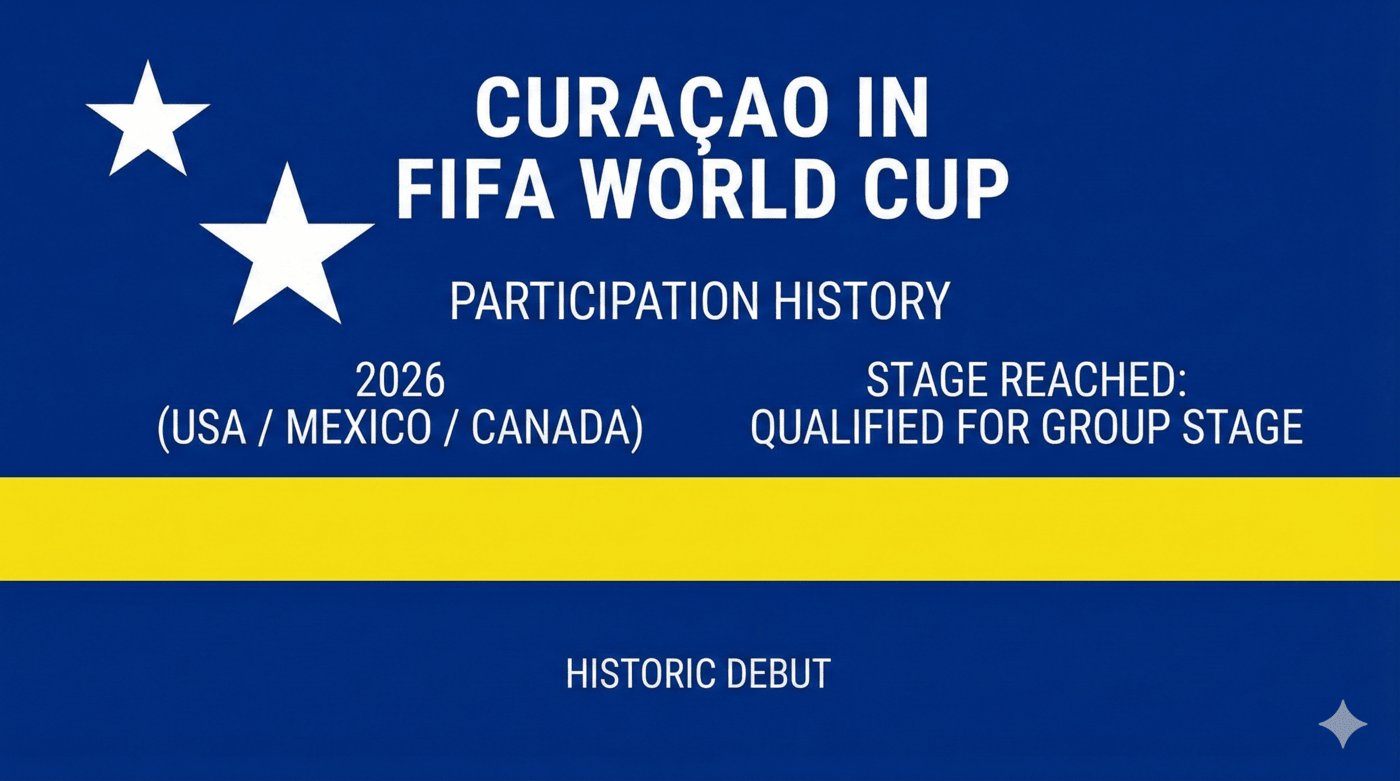
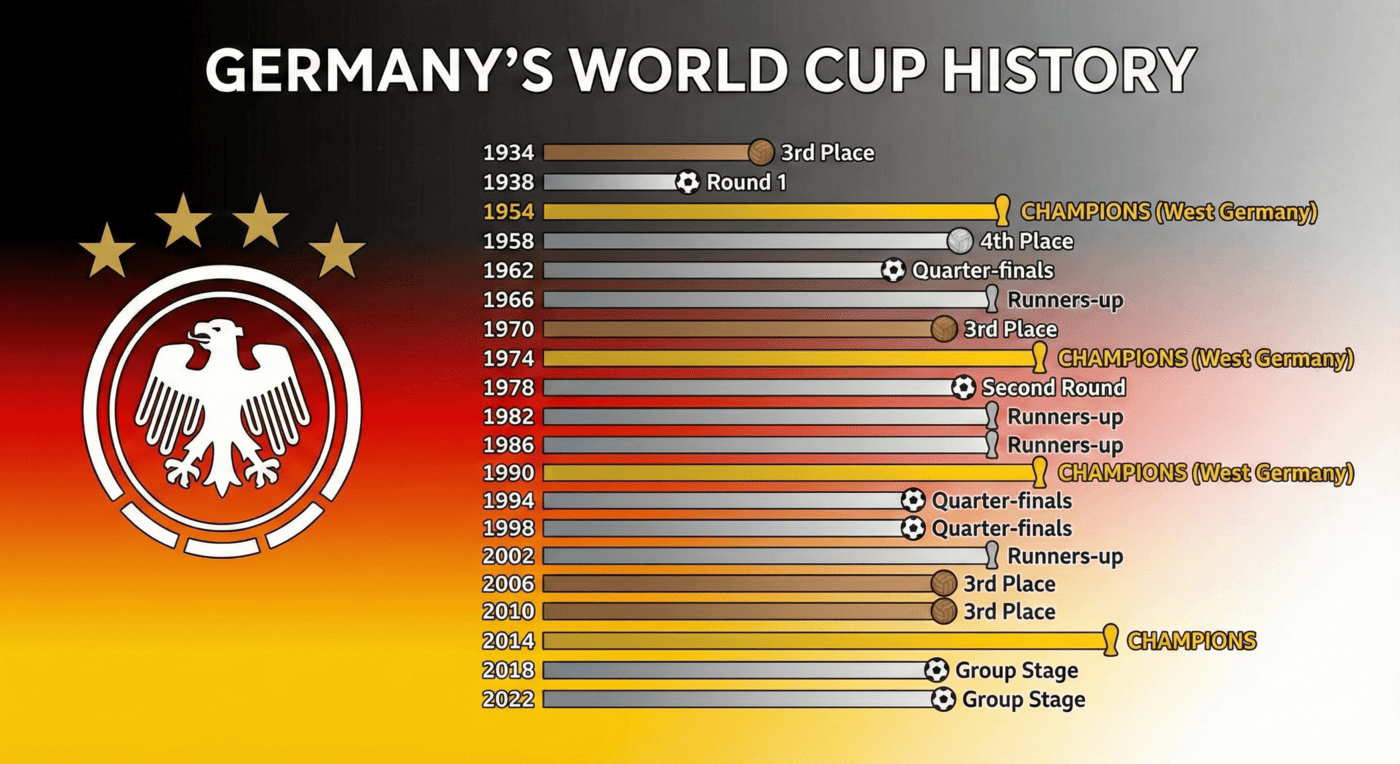
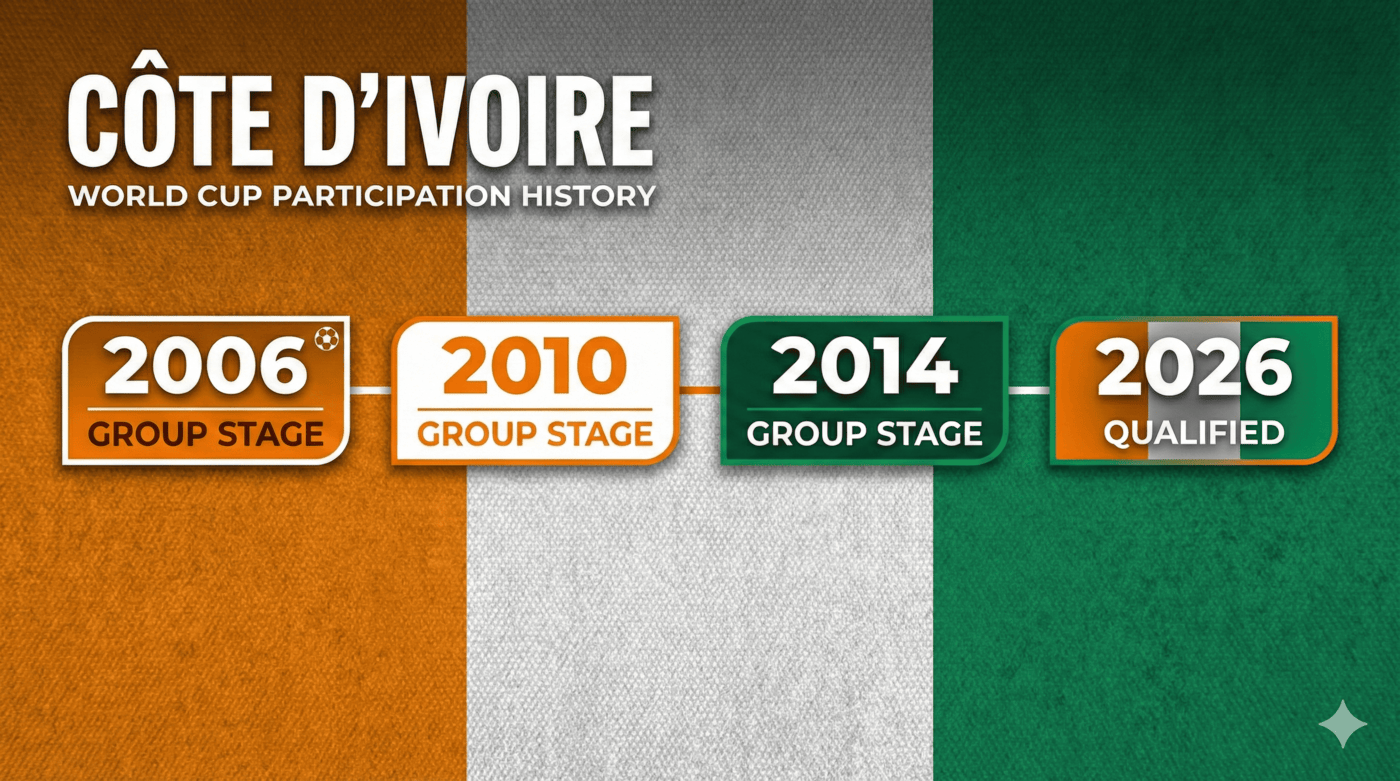
Ecuador’s three opponents in Group E are Côte d’Ivoire, Curaçao, and Germany. On paper, that’s a group with distinct stylistic possibilities: one match that can be physically intense and transitional, one match that may demand Ecuador to take the initiative, and one match where efficiency and defensive discipline are non-negotiable. The key for Ecuador is that their qualifying identity travels well: a team built to keep games close can survive group-stage volatility—if it also finds enough goals to turn control into wins.

The schedule order matters. Starting against Côte d’Ivoire means the tournament begins with a match likely to be decided by duels, second balls, and who lands the first clean hit. Ecuador’s qualifying campaign suggests they can absorb that kind of match without losing shape. The danger is obvious too: a tight opener can turn on a single lapse. Ecuador’s advantage is psychological and structural—they have lived in that territory for eighteen qualifiers.

The second match, against Curaçao, looks like the one where Ecuador may be asked to do something they often avoided in qualifying: break a team down while carrying the responsibility of the ball. Ecuador’s record includes many 0–0s, including against teams they might have hoped to beat more comfortably. The lesson is not that Ecuador cannot dominate; it’s that they must bring patience and a plan for the first goal. If Ecuador score first, their entire identity snaps into place. If they don’t, the match becomes a clock-management test in the opposite direction: how to stay calm without becoming predictable.

The third match, against Germany, reads like the “margin match” Ecuador have specialized in—except at a higher technical speed. Ecuador lost 1–0 away to Argentina and Brazil and beat Argentina 1–0 at home. Those results show Ecuador can survive elite opponents in low-scoring games, but they also underline the cost of giving up the first goal. Against a top opponent, the chase is expensive. Ecuador’s best path is simple and consistent with their campaign: keep it 0–0 as long as possible, look for their moment, and ensure the match never becomes an open exchange.

Here is the complete Group E match list for Ecuador.

Date Stadium City Opponent
June 14, 2026 NRG Stadium Houston Côte d’Ivoire
June 20, 2026 Arrowhead Stadium Kansas City Curaçao
June 25, 2026 MetLife Stadium New York / New Jersey Germany

Now, the match-by-match projected script—kept deliberately grounded in what Ecuador’s numbers say about Ecuador, not in speculative scouting of opponents.

First match — Ecuador vs Côte d’Ivoire This is the type of opener Ecuador can play without changing their skin. Expect a match that Ecuador try to keep narrow early: no gifts in central zones, no emotional over-pressing, and a clear priority on staying alive in the first 20 minutes. If Ecuador find a first-half goal, they have shown repeatedly they can protect it; if they don’t, the second half becomes a test of whether they can create enough high-quality moments without losing defensive security. Prediction: draw.

Second match — Ecuador vs Curaçao This is where Ecuador’s campaign asks for an upgrade. In qualifiers, Ecuador collected points through control and clean sheets, but a World Cup group demands a win somewhere. This looks like the match Ecuador must approach with urgency—but smart urgency. A frantic game would be a gift to a compact opponent. Ecuador need to play like they did against Peru or Chile: find the first goal, then make the match smaller. Prediction: Ecuador win.

Third match — Ecuador vs Germany This one may come with qualification scenarios attached, but Ecuador’s approach does not change much: stay compact, limit concessions, and look for decisive moments. Ecuador have lived in 1–0 territory—both as winners and losers. Against an elite opponent, Ecuador’s best friend is time: the longer it stays level, the more the opponent feels the weight of needing a result. Prediction: Germany win.

Keys to advancing from the group

  • Prioritize the first goal in at least one match; Ecuador’s best results consistently come when they score and then manage.
  • Treat the second match as a must-not-waste opportunity: a win there changes the group math and protects against a tough third game.
  • Maintain the clean-sheet habit; Ecuador conceded only 5 in 18 qualifiers, and that defensive economy is their competitive edge.
  • Avoid conceding first against the top opponent; Ecuador’s two defeats in qualifying were 1–0 away, and both followed the same logic: once behind, the margin shrinks fast.

Editorial opinion

Ecuador arrive at the World Cup with something many teams spend an entire cycle trying to buy: a reliable defensive identity. The numbers are not just good; they are unusually stable—five goals conceded in eighteen qualifiers is a statement of craft. The temptation will be to romanticize it, to call it “pragmatic genius” and assume it automatically translates into tournament wins. It doesn’t. What it does is keep Ecuador alive in every match, and that is the most valuable currency in a group stage.

The question is whether Ecuador can turn survival into initiative at the right moment. Eight draws in qualifying, many of them 0–0, show a team that can control risk—but also a team that sometimes leaves points on the table because the game stays locked and the key never turns. In a league format, those points accumulate. In a three-game sprint, one 0–0 too many can become a suitcase pack.

The campaign’s final warning is hidden in plain sight: Ecuador lost only twice, and both were 1–0 away—Argentina on September 7, 2023, and Brazil on September 6, 2024. Those matches are the reminder. Ecuador can keep the match close against anyone, but the cost of one conceded goal—one moment—can be total, because chasing is not where this team has built its comfort.

And yet, the last page they wrote is the one you want before a World Cup: September 9, 2025, Ecuador 1–0 Argentina, Valencia converting at 45+3’. One goal, one clean sheet, one heavyweight opponent held to nothing. Ecuador do not need to become someone else. They just need to add one more layer: the ability to force a goal when the match is asking for it, not waiting for it. If they find that layer, the rest of their structure already looks tournament-ready.